AC Thermostat Not Working? Troubleshooting Guide
Your aircon thermostat is not responding or giving wrong readings. Follow this step-by-step troubleshooting guide to diagnose and fix common thermostat problems in Singapore.
Billy Aircon Team
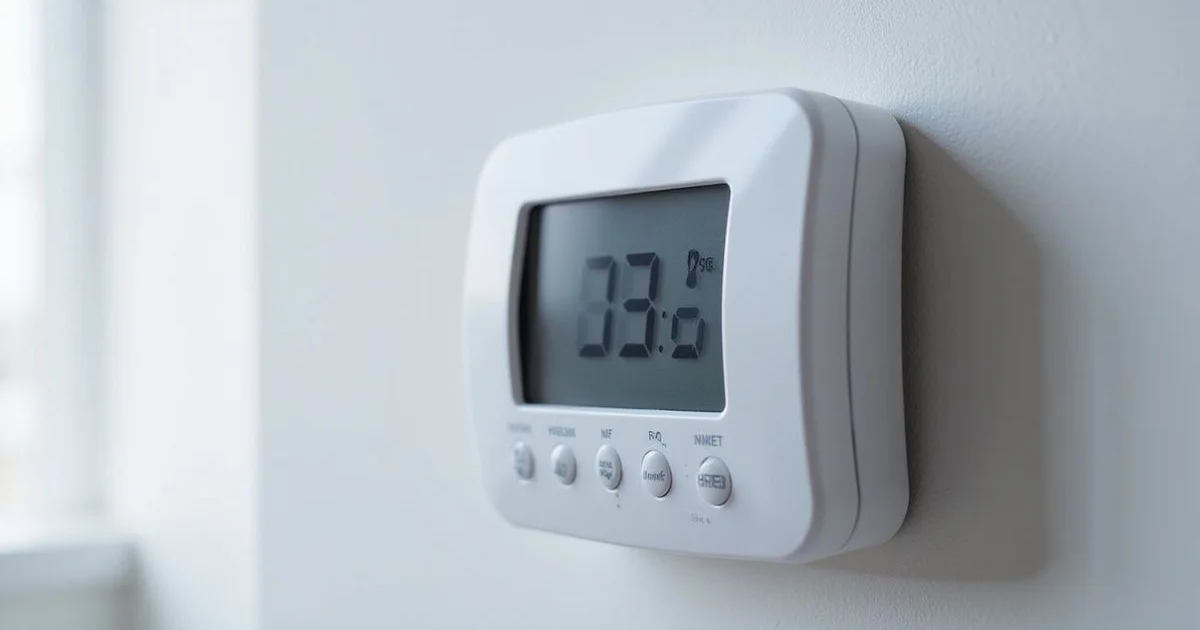
You probably know the frustration of setting your remote to 20°C, only to sit in a sticky, lukewarm room.
We often share this AC Thermostat Not Working? Troubleshooting Guide when clients complain about this exact temperature gap.
This frustrating issue usually means your internal temperature sensor is failing.
Our technicians, who handle hundreds of aircon servicing calls each month, pinpoint a tiny component called a thermistor as the primary culprit across Singapore homes.
This sensor dictates how your system reads the ambient room heat.
Our team understands that the entire cooling cycle falls out of sync if this part malfunctions.
Diagnosing this issue early is the best way to prevent unnecessary electricity spikes.
We will break down the exact symptoms of a faulty thermostat today.
You will learn how to check the system yourself before spending money on repairs.
How Your Aircon Thermostat Works
Our experts often explain that wall-mounted split systems lack traditional dial thermostats. These modern units rely on a temperature-sensitive resistor known as a thermistor.
Our team finds two specific types of sensors in almost every residential unit. The room temperature sensor measures the warm air pulled into the system.
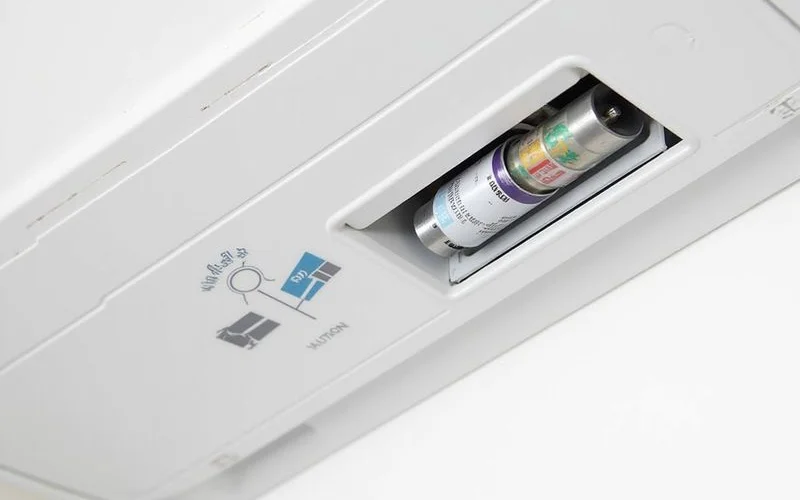
Our diagnostics show that the coil sensor attaches directly to the copper pipes to prevent freezing. These components continuously send electrical signals to the printed circuit board.
Our technicians rely on these exact readings to understand how the system controls compressor speed. Any delay in data transmission disrupts the entire cooling process.
| Thermistor Type | Location | Primary Function |
|---|---|---|
| Room Temperature Sensor (NTC) | Air intake grille | Measures the ambient heat of the room to adjust cooling intensity. |
| Evaporator Coil Sensor | Attached to copper pipes | Monitors refrigerant temperature to prevent heavy ice formation. |
Symptoms of a Faulty Thermostat
Room Never Reaches Set Temperature
Our clients frequently complain about rooms staying warm despite setting the remote to a low temperature. The thermistor might be sending a false cold reading to the circuit board.
Our records show this malfunction is a leading reason why your aircon is not cold. The National Environment Agency of Singapore recommends setting temperatures to 25°C for optimal efficiency in 2026.
Our team knows a faulty sensor makes reaching this ideal target completely impossible. Every degree cooled below 24°C forces the system to consume up to 10 percent more energy.
Aircon Short Cycles
Our repair logs indicate that erratic sensor readings cause the unit to turn on and off rapidly. This frustrating issue is known in the industry as short cycling.
Our technicians warn homeowners that ignoring this symptom leads to severe mechanical damage. Constant starting and stopping places immense stress on the outdoor condenser.
We see these specific financial consequences if the system breaks down:
- High repair bills: Replacing a blown compressor in Singapore now costs between $600 and $1,500 SGD.
- Wasted electricity: The initial startup phase of the motor draws the highest amount of power.
- Decreased lifespan: Continuous cycling wears out the internal relays and capacitors prematurely.
- Warranty issues: Operating a visibly faulty system without servicing can invalidate manufacturer coverage.
Aircon Runs Constantly Without Stopping
Our energy audits reveal that a sensor reading the room too warm causes non-stop running. The compressor will never rest if it thinks the target temperature remains unmet.
Our data shows your electricity usage spikes dramatically when the motor operates continuously. The Singapore electricity tariff currently sits at 26.71 cents per kWh before GST for the first quarter of 2026.
Our customers often see utility bills double during these specific component failures. The room eventually feels uncomfortably cold instead of a pleasant living space.
Ice Formation on Evaporator Coils
Our maintenance teams regularly uncover solid blocks of ice on indoor evaporator coils. A broken coil thermistor fails to warn the system when freezing occurs.
Our experience shows moisture from the humid Singapore air rapidly solidifies onto the chilled copper pipes. This ice eventually melts into the drainage pan during the defrost cycle.
This overflow is a primary trigger for your aircon leaking water down the wall.
Our plumbers note that the excess condensation easily overflows the shallow internal tray. The resulting water damage requires immediate professional intervention.
Error Codes or Blinking Lights
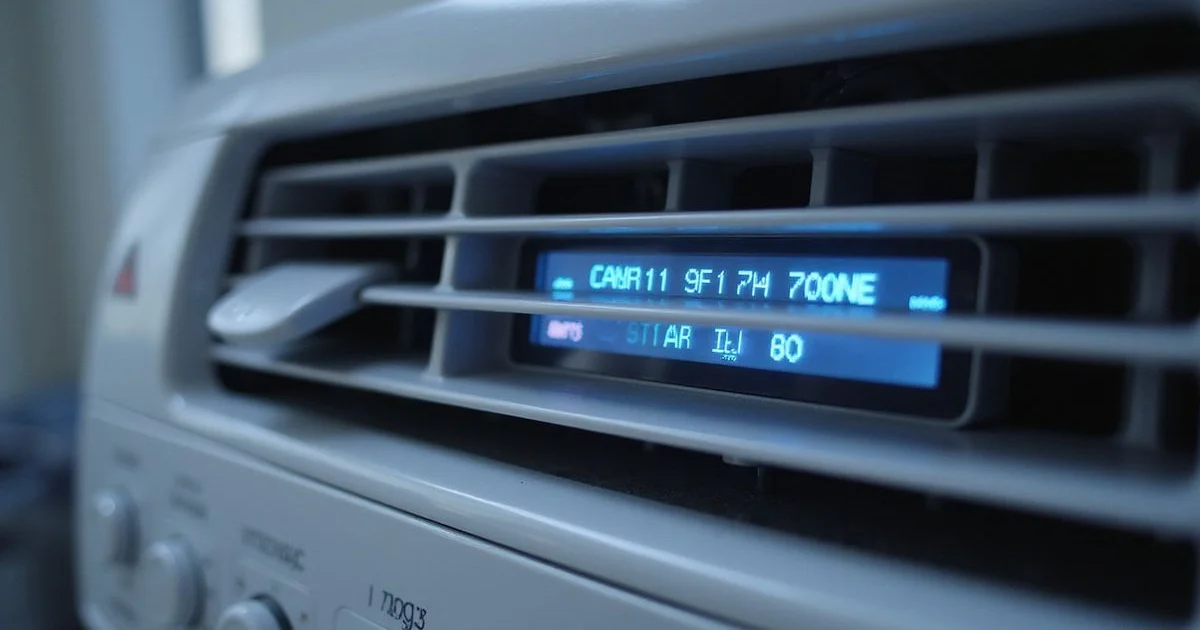
Our technicians rely heavily on built-in diagnostic systems to pinpoint internal failures quickly. Modern units will typically display an alphanumeric error code on the remote.
Our support desk finds some older models simply blink their lights to signal a malfunction. Different brands utilize unique letters and blink patterns to represent a broken temperature sensor.
Our engineers memorize these frequent codes associated with thermistor failures:
- Daikin C4: Indicates a defective indoor heat exchanger liquid pipe thermistor.
- Daikin C9: Signals an abnormal reading from the suction air thermistor.
- Mitsubishi 5-Blinks: Points to an open or short-circuited coil thermistor or a power system abnormality.
- Panasonic H14: Highlights an anomaly with the indoor intake air temperature sensor.
AC Thermostat Not Working? Troubleshooting Guide Steps
Step 1: Check the Basics First
Basic airflow problems frequently mimic the symptoms of a completely broken sensor. Our team always advises checking the simplest solutions before dismantling your air conditioner.
A quick visual inspection saves you from scheduling an unnecessary service call. Our preliminary checklist eliminates common user errors right away.
You should perform these basic maintenance tasks immediately. Our experts suggest reviewing this list before assuming the internal hardware has failed:
- Clean the filters. Thick dust severely restricts airflow over the thermistor. Wash the filters under running water to restore accurate temperature readings.
- Check for obstructions. Heavy curtains or tall furniture block the intake grille. Clear the space around the unit to allow proper circulation.
- Verify the remote settings. Confirm the screen displays the cool mode snowflake icon. Review our remote control symbols guide to ensure you have not accidentally selected dry mode.
Step 2: Test with a Separate Thermometer
A calibrated digital thermometer helps verify ambient room conditions accurately. Our technicians replicate this test at home with a basic household thermometer.
Position the measuring device near the top return air inlet of the indoor unit. Our standard procedure involves waiting ten minutes for the temperature to stabilize.
Compare your independent reading with the target number displayed on the aircon panel.
Our team considers a variance of more than two degrees as clear confirmation that the thermistor is providing inaccurate readings. The sensor requires immediate attention if this temperature gap exists.
Step 3: Power Reset
The main circuit board occasionally scrambles sensor data after a minor power surge. Our electricians resolve many minor glitches by performing a hard system reset.
Shutting down the system forces the internal computer to recalibrate its baselines. Our recommended method involves cutting the power completely at the main isolator switch.
Leave the breaker off for a full ten minutes to drain residual electricity. Our advice is to turn the power back on and test the cooling cycle to see if the issue resolves.
Step 4: Inspect the Thermistor (Advanced)
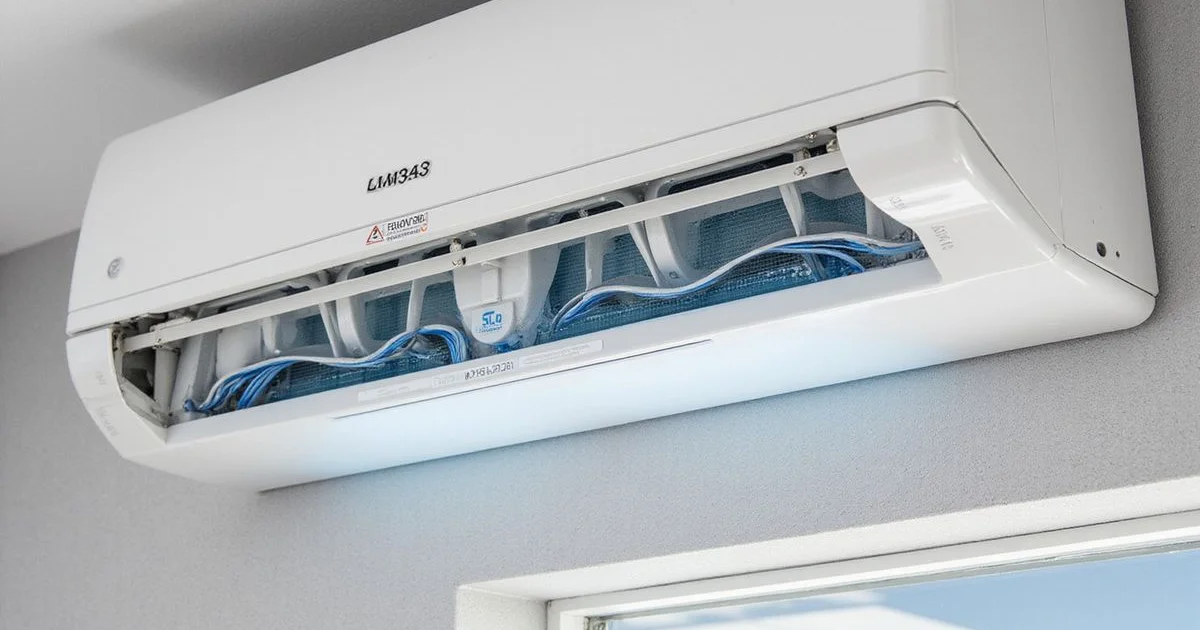
You must lift the front plastic panel and remove the primary dust filters first. Our advanced diagnostic steps are for technically inclined homeowners who want to perform a quick visual inspection.
The thermistor looks like a small black bead attached to a delicate wire. Our crews frequently find this wire unclipped from its proper mounting bracket.
The sensor cannot read the air correctly if it hangs loosely away from the coils. Our mechanics advise watching out for these physical signs of component degradation:
- Displaced placement: The sensor tip must remain firmly secured in its plastic clip.
- Corroded connections: The constant humidity in Singapore rusts exposed electrical wiring rapidly.
- Cracked casing: Any visible physical damage to the black tip requires an immediate replacement.
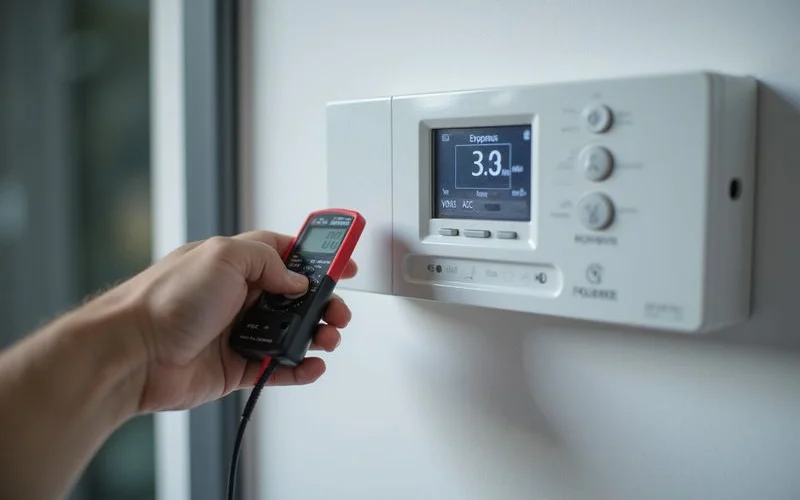
Yanking the delicate cable tears the connection right off the printed circuit board. Our licensed professionals use standard multimeters set to the ohms setting to test the actual voltage resistance.
When Professional Help Is Needed
The Cost of Replacing a Thermistor
This specific repair requires specialized electrical tools and OEM replacement parts. Our scheduling department receives daily requests for professional sensor replacements across the island.
Attempting a DIY fix often voids your manufacturer warranty completely. Our team, which has grown to 26 experts since starting Billy Aircon with five people back in 2003, is dedicated to keeping Singapore cool.
A standard thermistor replacement in Singapore currently costs between $120 and $250 SGD, including parts and labour.
Our Professional Diagnostic Process
Our standard operating procedure guarantees an accurate diagnosis before replacing any hardware. The repair process follows a strict sequence to ensure lasting reliability.
Our technicians complete these exact steps during a service visit:
- Test the thermistor’s electrical resistance with a calibrated multimeter set to ohms.
- Compare the data against official manufacturer specifications, looking for proper resistance changes when heated.
- Swap the faulty sensor with a brand-new, OEM-compatible component.
- Run a complete cooling cycle to confirm accurate temperature regulation.
A properly functioning sensor drastically reduces your monthly electricity consumption. Our final check verifies the system operates efficiently before we leave your home.
Review this complete guide on the thermistor and signs it needs replacing for further reading. Our support team can answer any remaining questions about this hardware.
Prevention Through Regular Servicing
Meeting HDB Guidelines
Our maintenance teams emphasize that routine servicing prevents these unexpected electrical failures entirely. The Housing and Development Board (HDB) explicitly advises flat owners to have their condensing units serviced regularly by licensed providers.
Our safety checks ensure compliance with these regulations to prevent costly property damage from leaks. A trained technician inspects all sensitive wiring during a standard aircon servicing appointment.
Our proactive approach catches minor resistance drift early, which stops the system from breaking down completely. Ignoring these guidelines often leads to severe mechanical degradation over time.
Scheduling Routine Maintenance
Singapore residents should arrange professional maintenance every three to four months. Our service schedules directly account for the intense moisture of the tropical climate.
Consistent cleaning prevents sticky grime from coating the delicate temperature probes. We utilize advanced cleaning methods for machines that have missed several service cycles.
A comprehensive chemical wash easily strips away hardened dirt from the internal components. Our deep cleaning process immediately restores the accuracy of your temperature readings.
Finding the root cause protects your compressor from expensive damage. We hope this breakdown clarifies why your system struggles to maintain the right climate.
Bookmark this AC Thermostat Not Working? Troubleshooting Guide for future reference. Our booking desk can schedule a diagnostic visit to get your room temperatures balanced again.
The Billy Aircon support staff is ready to assist if the basic checks fail.
We encourage you to contact us today to arrange a reliable repair.
Billy Aircon Team
Technical Writers
The Billy Aircon editorial team draws from our 26-strong workforce of experienced aircon technicians.