Aircon Thermistor: What It Does & Signs It Needs Replacing
The thermistor is a small but critical aircon component. Learn what it does, how it affects your aircon performance, and the signs that your thermistor needs replacing in Singapore.
Billy Aircon Team
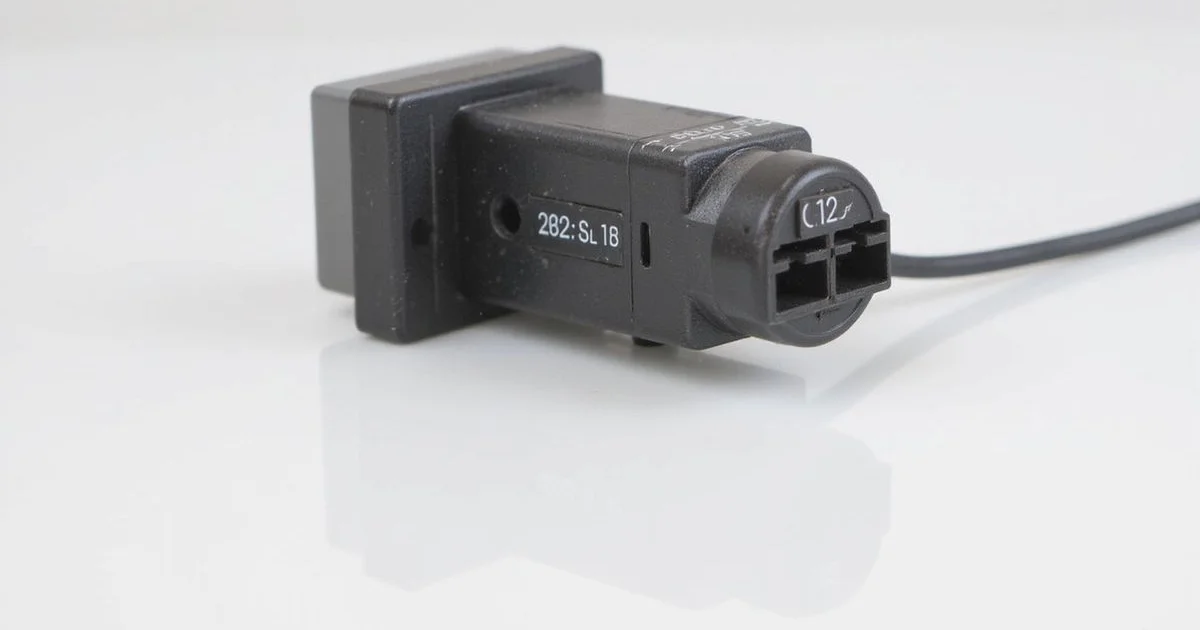
We often see homeowners dealing with mysterious cooling issues that mimic major hardware failures. A tiny component called the aircon thermistor usually causes these headaches by feeding the system false temperature data.
Our Billy Aircon team of 26 technicians has diagnosed thousands of these exact sensor faults through regular aircon servicing since we started in 2003. Replacing this inexpensive part saves you from buying a whole new control board.
Let’s look at the data, what it actually tells us, and explore a few practical ways to respond.
What Is an Aircon Thermistor?
We want you to know exactly how this small component regulates your comfort. An aircon thermistor is a highly sensitive resistor that acts as the primary thermal sensor for your cooling system.
Our technicians explain that modern residential units in Singapore use NTC (Negative Temperature Coefficient) sensors. This specific design means the electrical resistance drops systematically as your room gets warmer.
Here is how the NTC thermistor interacts with your system:
- It continuously monitors ambient air changes.
- It sends fluctuating resistance values to the Printed Circuit Board (PCB).
- The PCB converts this data into a digital temperature reading.
- The system then adjusts compressor speeds to match your remote setting.
We typically find these bead-like sensors encased in protective epoxy or copper housings. You will spot them clipped near the evaporator coils or directly in the return air path.
Types of Thermistors in Your Aircon
Most residential air conditioners installed in Singapore rely on a network of two or three distinct thermistors. Each one serves a unique protective or regulatory function.
Our technicians check these specific sensors during every routine inspection. Testing them early prevents larger component failures down the line.
Room Temperature Thermistor
Most standard units, like the popular Daikin Eco King series, use a 5K NTC thermistor for this reading. It measures the current room temperature and compares it with your remote control setting.
Our daily inspections show that a displaced room sensor is a leading cause of uneven cooling in HDB flats. The compressor turns on automatically when this temperature gap widens.
Coil Temperature Thermistor
We clip this specific 10K NTC sensor directly onto the freezing metal fins of the evaporator coil. It acts as a critical safety switch to prevent solid ice blocks from forming inside the unit.
This sensor actively protects against:
- Severe water leakage during defrost cycles.
- Compressor burnout from overworking.
- Restricted airflow through frozen fins.
Our repair teams see systems shut down immediately if this sensor detects a surface drop below 0 degrees Celsius. This protective feature saves your expensive compressor from fatal water damage.
Outdoor Temperature Thermistor
The outdoor condenser housing contains this ambient sensor to track external weather conditions. It adjusts the workload based on the intense afternoon heat.
We rarely replace this specific component because Singapore’s climate stays consistently warm year-round. A failure here accounts for less than 5% of all sensor replacements.
Signs Your Thermistor Needs Replacing
A failing sensor often mimics other serious mechanical issues. Testing the part first prevents unnecessary and expensive gas top-ups.
We always use a multimeter to rule out this cheap component before recommending major repairs. A quick electrical check saves you hundreds of dollars.
1. Aircon Not Reaching Set Temperature
You set the remote to 24 degrees, but the room stays uncomfortably warm. The room thermistor might read the temperature as much lower than reality.
Our diagnostic tests frequently reveal that the PCB assumes the room is already cool and shuts the compressor down early. This false reading stands out as one of the common causes when your aircon is not cold.
2. Room Gets Too Cold
We see the exact opposite problem occur when the sensor fails in the other direction. The compressor runs indefinitely if the thermistor reads the room as warmer than it actually is.
Common symptoms of this specific failure include:
- The room temperature dropping significantly below the set point.
- The compressor never pausing or entering standby mode.
- A sharp increase in your monthly electricity bills.
Our commercial clients in offices often notice these massive cost spikes first. Your room temperature might drop to 20 degrees even though the remote clearly says 24.
3. Short Cycling
The aircon turns on for a few minutes, abruptly shuts off, and then restarts in a rapid cycle. Erratic resistance readings completely confuse the main control board.
We warn property owners that this rapid short cycling wears out the compressor motor prematurely. A failing 5K sensor simply cannot provide a stable baseline for the system to follow.
4. Ice Formation on Coils
A degraded coil thermistor fails to detect dangerously low surface temperatures. This blind spot allows thick layers of ice to accumulate across the entire evaporator coil.
Our maintenance crews often find severe water leaking down walls as the ice block melts during defrost cycles. You will notice a sharp drop in airflow right before the dripping starts.
5. Error Codes or Blinking Lights
Modern smart units run continuous self-diagnostics and display specific error codes for sensor faults. Daikin, Mitsubishi, and Panasonic systems actively flag these electrical anomalies.
We commonly see these warnings manifest as specific blinking light patterns on the indoor LED panel. For example, modern Daikin units display precise alphanumeric codes to identify the exact fault.
Common Daikin Thermistor Fault Codes:
C5: Gas pipe thermistor malfunction.
C6: Fan motor sensor or control driver issue.
C9: Suction air thermistor failure.
This specific coding system points our technicians directly to the faulty component without tedious guesswork.
6. Inconsistent Cooling
The room temperature fluctuates wildly even while the fan runs continuously. You feel cool air one moment and muggy, warm air the next.
We measure these failing components and find intermittent, jumping resistance values. The PCB constantly adjusts the cooling output based on this chaotic data stream.
What Causes Thermistor Failure?
We replace these sensitive components daily due to extreme temperature fluctuations and environmental stress. Several specific local factors accelerate this degradation process across Singapore.
Age and Constant Wear
Thermistors naturally lose their precise electrical calibration over time. The National Environment Agency (NEA) notes that a typical residential aircon lifespan in Singapore is about 7 to 10 years.
Our field data shows that resistance curves start drifting away from factory specifications around the 5-year mark. This gradual drift results in increasingly inaccurate temperature readings as the system ages.
Moisture Damage and Corrosion
Singapore experiences an average indoor humidity level of around 84%, which wreaks havoc on exposed electrical connections. A blocked condensate drain pan allows water to pool dangerously close to the sensor housing.
This excess moisture directly causes:
- Rapid corrosion of delicate copper wiring.
- Degradation of the sensor’s protective epoxy coating.
- Short circuits across the terminal pins.
We frequently find that clearing stagnant water prevents these costly electrical shorts. Keeping the drainage clear is the most effective way to protect these electronic parts.
Electrical Surges
Lightning strikes during frequent afternoon thunderstorms send destructive power surges through household wiring. These sudden voltage spikes easily fry the tiny semiconductor materials inside the sensor bead.
Our licensed electricians highly recommend installing a dedicated isolator switch to block this weather-related damage. This single upgrade provides a strong line of defence for your expensive circuit boards.
Physical Displacement
The small sensor easily gets knocked out of its secure plastic clip during a rough, DIY cleaning session. A displaced room thermistor might fall directly against the freezing coil.
We see units shut down almost immediately because the displaced sensor reads the false freezing metal temperature instead of the ambient air. Gentle handling during filter washing prevents this common user error.
How Thermistors Are Tested
Guesswork has no place in professional diagnostics. A standard visual inspection cannot tell you if the internal resistance curve has drifted.
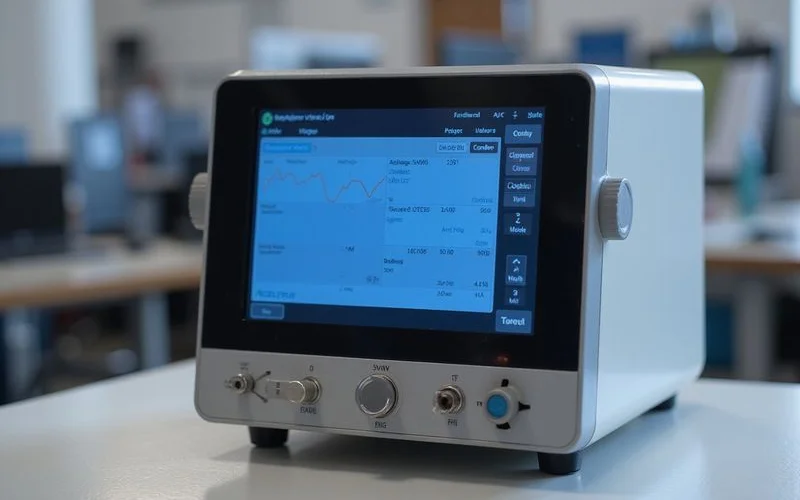
We rely on precise electrical measurements using industrial-grade tools like Fluke digital multimeters. Testing provides concrete proof of failure before any money is spent.
Our diagnostic procedure involves four exact steps:
- The technician completely disconnects the sensor wire from the main PCB.
- They attach the multimeter probes to the exposed terminal pins.
- They measure the raw electrical resistance in ohms.
- They cross-reference this exact number with the manufacturer’s official temperature chart.
A healthy 10K NTC thermistor reads approximately 10,000 ohms at a standard room temperature of 25 degrees Celsius. The resistance climbs to roughly 12,000 ohms when the temperature drops to 20 degrees.
We know the sensor is definitely faulty if the meter shows an open circuit, a short circuit, or a static number that refuses to change. A simple continuity check confirms the diagnosis instantly.
The Replacement Process and Costs
Swapping out a dead sensor is a highly efficient and straightforward repair job. A targeted sensor replacement saves you a massive amount of money and downtime.
We always advise against replacing the entire control board before testing these individual electrical components first. Replacing just the faulty sensor restores full function at a fraction of the price.
Here is a quick comparison of typical aircon repair costs in Singapore for 2026:
| Component Replaced | Average Estimated Cost (SGD) | Typical Repair Time |
|---|---|---|
| Thermistor Sensor | $90 - $250 | 20 - 30 Minutes |
| Fan Motor | $150 - $400 | 1 - 2 Hours |
| Main PCB Board | $350 - $900 | 1 - 2 Hours |
The physical replacement requires turning off the mains power and isolating the unit entirely. The technician opens the front plastic casing to locate the faulty wire.
We unclip the bad sensor, plug the new original equipment manufacturer (OEM) part directly into the PCB header, and secure it. The system is then powered back up to verify stable temperature regulation.
Prevention and Maintenance
A proactive approach keeps small electrical quirks from turning into expensive hardware failures. Catching a drifting sensor early prevents the compressor from overworking and burning out.
We include comprehensive thermistor diagnostics as part of our standard aircon servicing routine. Quarterly maintenance visits give technicians the chance to verify that all sensors read within factory specifications.
A standard sensor inspection checklist includes:
- Testing the raw resistance values against manufacturer charts.
- Inspecting the copper wiring for early signs of moisture corrosion.
- Verifying the plastic clips hold the sensors tightly in the airflow path.
- Cleaning dust buildup off the epoxy bead to ensure accurate readings.
Our teams use a quick multimeter test to reveal the true health of the system on older units showing multiple signs of needing repair. Singapore’s intense climate requires consistent professional care to maintain optimal energy efficiency.
You get your cold air back immediately without waiting days for parts to arrive. We stock our service vans with compatible NTC thermistors for Daikin, Mitsubishi, and Panasonic units. Booking an inspection today is the smartest next step to protect your home’s comfort if your aircon thermistor is acting up.
Billy Aircon Team
Technical Writers
The Billy Aircon editorial team draws from our 26-strong workforce of experienced aircon technicians.