Aircon Piping: Types, Common Problems & When to Replace
A complete guide to aircon piping in Singapore. Learn about copper pipe types, common piping problems, signs you need replacement, and how piping affects your aircon performance.
Billy Aircon Team
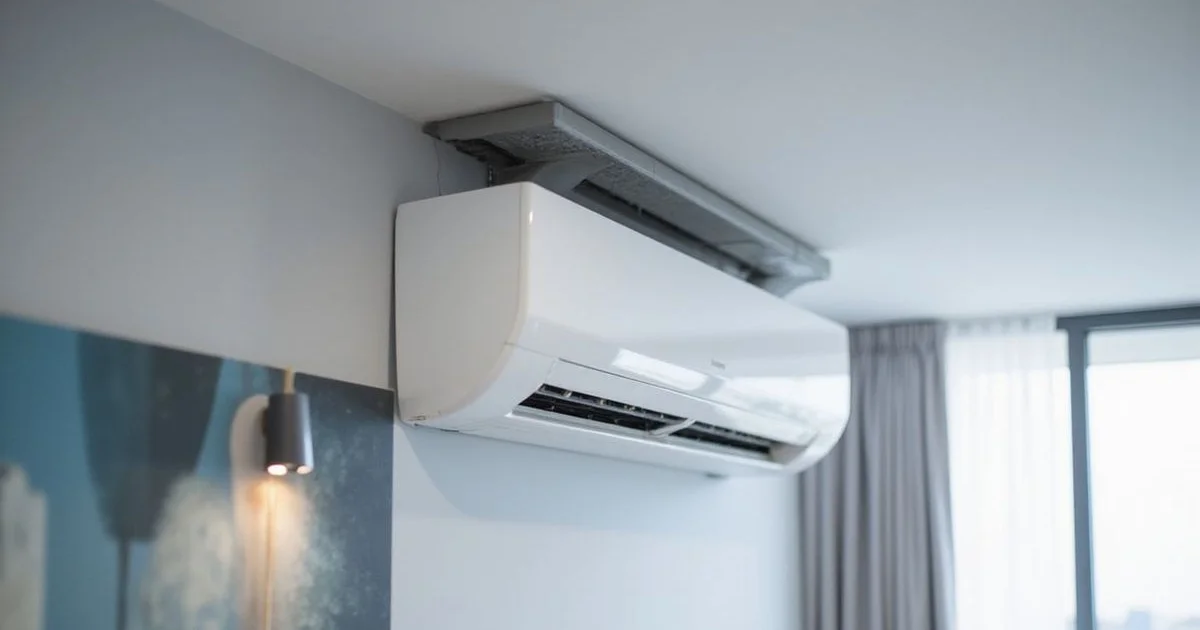
We frequently share a specific observation with property owners facing sudden cooling issues. Understanding Aircon Piping: Types, Common Problems & When to Replace is the best way to avoid surprise repair bills. Homeowners often clean their indoor blowers while completely ignoring these hidden copper arteries.
Our team at Billy Aircon has spent over two decades of aircon servicing in Singapore seeing how poor pipe conditions destroy expensive compressors. The specific materials concealed inside your walls dictate the lifespan of your entire setup.
Let us break down exactly what flows through your flat, the early warning signs of failure, and the objective numbers you need before authorising a replacement.
Understanding Aircon Piping
Every split-system setup relies on a specific set of tubes running between the indoor and outdoor units. A residential system usually operates at a maximum of 330 psi. Our technicians carefully size these lines to handle that intense pressure safely.
The Liquid Line (Smaller Pipe)
We typically install a 1/4 inch (6.35mm) diameter line for residential systems. This smaller pipe carries high-pressure liquid refrigerant from the outdoor condenser directly into your room. Modern R32 refrigerant operates at roughly 1.6 times the pressure of older R22 gas.
Our installation teams ensure this specific line uses the exact required thickness to handle the elevated force. Because the refrigerant remains in a liquid state at a moderate temperature, this pipe does not require the thickest insulation layer. Proper basic covering is still required to prevent minor temperature loss.
The Suction Line (Larger Pipe)
Cold, low-pressure gas travels through the suction line back to the outdoor compressor. Our crews use a larger 3/8 inch (9.52mm) or 1/2 inch (12.7mm) pipe for this return journey. This surface feels icy cold to the touch and creates massive condensation in Singapore’s 27-degree Celsius weather with 77% relative humidity.
This pipe must be heavily insulated to prevent severe condensation and energy wastage. We strongly recommend upgrading to thicker 1/2-inch Armaflex Class 0 insulation as a standard practice for handling intense humidity. Thinner 3/8-inch foam often fails to stop the sweating effect, which leads to dripping water and ruined false ceilings.
The Drainage Pipe
The PVC drainage line runs alongside your copper setup to manage condensation. It does not carry refrigerant itself. Our current standard involves using a 16mm uPVC pipe instead of the older 13mm versions.
A clogged or poorly graded drain is the most frequent culprit behind water leaking problems. The wider 16mm diameter significantly reduces the chances of a slime choke building up over time. Housing and Development Board (HDB) regulations strictly dictate that all condensation water must discharge into an internal floor trap, usually located in a bathroom.
Pipe Quality Matters
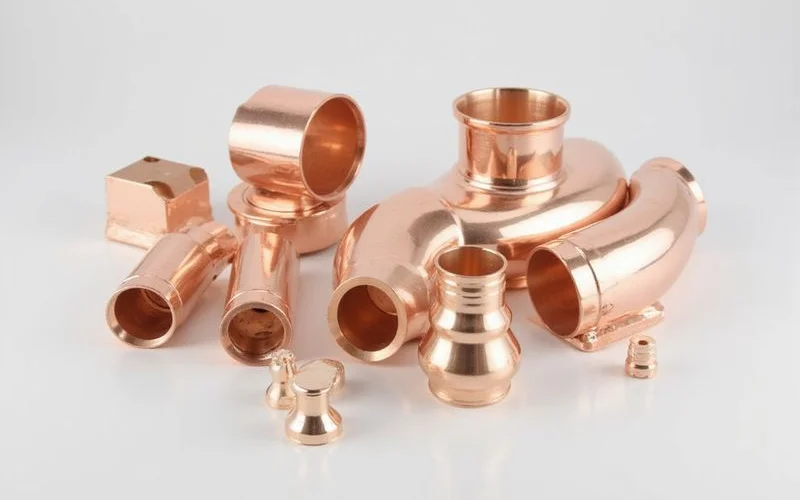
Not all copper materials provide the same durability under daily use. The market offers several grades that look identical from the outside.
Seamless vs Seamed Copper Pipe
We exclusively use de-sulphurised seamless copper pipes drawn from a solid billet for all our installations. This premium option features a uniform wall thickness and offers massive resistance against cracking during bending. Seamed pipes are formed by rolling flat sheets and welding them together.
That welded seam creates a permanent weak point. Our repair teams frequently see these cheap seams split wide open under the 330 psi pressure of modern refrigerants.
The SWG Thickness Standard
Wall thickness is the most critical metric for system longevity. The industry measures this dimension using Standard Wire Gauge (SWG).
| Thickness Gauge | Millimetres (mm) | Suitability in Singapore |
|---|---|---|
| SWG 22 | 0.71mm | Highly Recommended. Withstands high-pressure R32 and R410A gases effortlessly. |
| SWG 23 | 0.61mm | Not Recommended. Prone to denting, expanding, and frequent gas leaks. |
| SWG 24 | 0.56mm | Dangerous for modern systems. Will rupture under R32 pressure limits. |
Our technicians regularly replace thin SWG 23 pipes that have burst under the strain of daily operation. Upgrading to SWG 22 (0.71mm) only costs around $100 to $200 extra during a full system installation. Always insist on this thicker material to avoid catastrophic leaks that can cost thousands to fix.
Common Piping Problems
Even the best materials will eventually degrade over years of continuous use. Recognising the early warning signs saves you money.
1. Gas Leaks at Flare Joints
Flare joints connect the copper run to your actual aircon units. Compressor vibrations slowly loosen the flare nuts holding these connections together over thousands of operating hours. Our diagnostics show this loosening is the primary cause of gas leaks in residential setups.
Industry data suggests up to 10% of premature failures originate from these micro-leaks. Symptoms include a distinct hissing sound, warm air blowing from the vent, and a constant need for gas top-ups.
2. Cracks at Bends
Installers sometimes bend the copper too sharply by hand to save time. Our repair crews frequently find micro-cracks in these manually folded areas. Thin SWG 23 pipes are especially vulnerable to kinking.
These tiny fissures expand and contract with daily temperature shifts until they finally rupture. Proper technique requires a mechanical pipe bender to create smooth, sweeping curves that protect the metal’s integrity.
3. Formicary Corrosion
Singapore’s high humidity creates the perfect breeding ground for formicary corrosion on copper surfaces. This issue is sometimes called “ants’ nest corrosion” because it creates microscopic tunnels through the metal. Household cleaning products release organic acids like acetic acid that react with moisture to eat right through the pipe wall.
Our specialists often see this specific chemical attack cause total refrigerant loss in just three to four months. Thick, continuous insulation is your only defence against this invisible threat.
4. Physical Damage
We see a spike in crushed piping during major HDB renovation periods. A single dent from a falling tool heavily restricts the flow of refrigerant. HDB guidelines clearly state that concealed water pipes cannot be embedded directly into structural floor slabs, leaving them vulnerable during hacking works.
This restriction forces the compressor to work twice as hard. A damaged line slashes your cooling efficiency and drives up your monthly electricity bill.
5. Internal Contamination
Air and moisture trapped inside the lines will destroy your compressor from the inside out. Residual moisture reacts with the synthetic oils used in R32 systems to form a destructive sludge. A professional installation requires hooking up a specialised dual-stage vacuum pump.
Our technicians pull the internal pressure down to exactly 500 microns. This precise vacuum level boils off any trapped water droplets before introducing the refrigerant.
When to Replace Your Aircon Piping
Replacing the hidden lines is a major decision that requires clear financial justification.
Reaching the Age Limit
Copper installations typically last 10 to 15 years in our tropical climate. Ageing copper becomes brittle and loses its ability to handle pressure fluctuations. Our team recommends a full replacement alongside your next equipment upgrade if your setup is hitting this decade mark.
If you have concealed pipes, HDB rules dictate that you must bear the cost of removing any encasement or false ceilings. Scheduling this messy work during a planned renovation makes perfect logistical sense.
Upgrading to R32 Refrigerant
The market is currently seeing a massive shift from the old R410A gas to the newer R32 refrigerant. R32 boasts a much lower Global Warming Potential at 675 compared to 2088 for R410A. This modern gas operates at slightly higher temperatures and much higher pressures.
Our installers refuse to use old SWG 23 piping because it simply cannot handle R32 safely. Reusing old, contaminated lines with a brand new system will often void your manufacturer warranty.
Persistent and Unfixable Leaks
Multiple micro-leaks spread across different sections indicate that the entire copper wall is uniformly compromised. Our technicians will recommend a complete replacement if we discover this extensive damage during a gas leak inspection.
Patching a 12-year-old deteriorating tube is a complete waste of your money. The weakened metal will simply break open at the next vulnerable point a few months later.
Visible Oxidation
Green patina forming on the copper surface is a massive red flag. This oxidation means the protective insulation has failed completely.
Our maintenance checks treat this green buildup as an active decay zone. Swap out the compromised sections immediately before they turn into active, costly leaks.
Pipe Run Best Practices
A flawless installation dictates how well your system will perform for the next decade. Ensure your chosen contractor follows these objective, measurable standards.
- Select seamless SWG 22 (0.71mm) copper for maximum pressure tolerance.
- Wrap the entire run in 1/2-inch Armaflex Class 0 insulation to stop condensation.
- Evacuate the lines to exactly 500 microns using a vacuum pump.
- Pressure test the finished joints with pure nitrogen at 300 psi before releasing the gas.
- Ensure a Building and Construction Authority (BCA) trained installer secures the brackets.
- Limit outdoor compressor panel weight to a maximum of 110kg to comply with structural rules.
Cost of Piping Replacement in Singapore
Prices for materials and skilled labour vary heavily based on your housing type and aesthetic choices.
| Installation Type | Estimated Cost (System 3) | Key Considerations |
|---|---|---|
| Exposed Trunking (HDB) | $900 to $1500 | Fastest method. Pipes run inside visible plastic casings along the wall. |
| Concealed Piping (Condo/Landed) | $2,000 to $5,000 | Requires wall hacking, false ceiling demolition, and subsequent repainting. |
| Single-Unit Replacement | Starts at $500 | Ideal for resolving an isolated leak on a single fan coil run. |
Our team at Billy Aircon will always inspect your existing infrastructure before quoting a new installation. Honest advice about your copper lines today prevents a costly breakdown tomorrow. We want your new aircon to start its life at absolute peak performance.
Conclusion
Ignoring the health of your Aircon Piping: Types, Common Problems & When to Replace is a guaranteed way to shorten your system’s lifespan. Proactive material selection and strict installation standards save you from massive headaches down the road. Schedule a professional pressure test today to secure the cooling efficiency your property deserves.
Billy Aircon Team
Technical Writers
The Billy Aircon editorial team draws from our 26-strong workforce of experienced aircon technicians.