How to Protect Your Aircon from Pests in Singapore
Cockroaches, lizards, and ants love living inside your aircon. Learn how pests get into your aircon unit, the damage they cause, and practical steps to keep them out in Singapore.
Billy Aircon Team
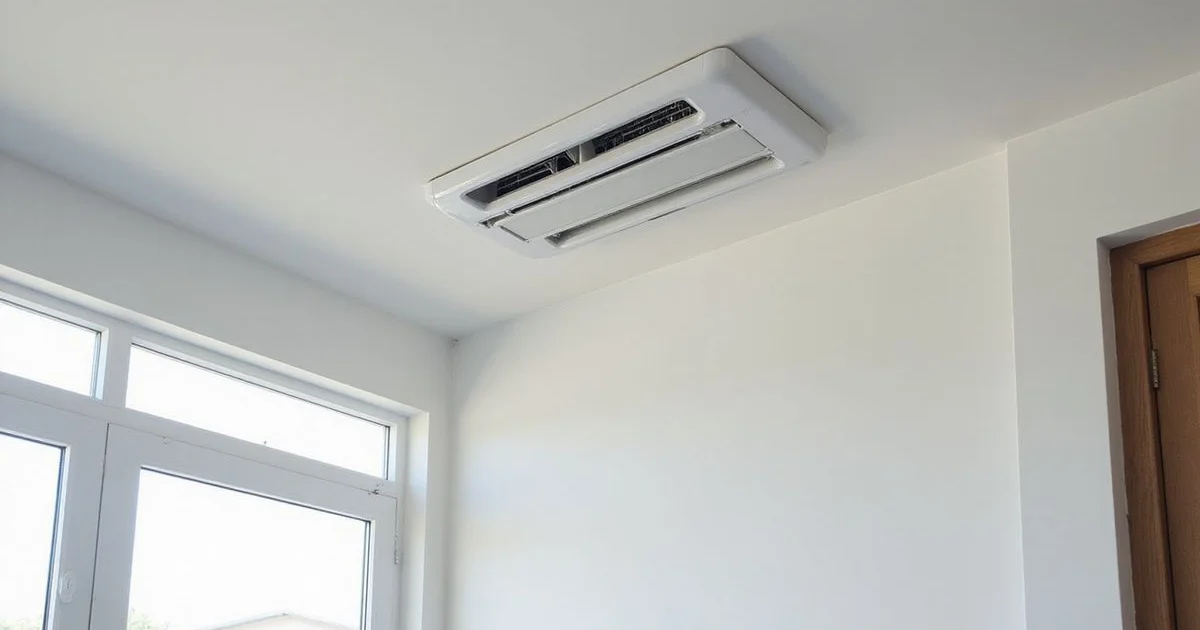
You know how frustrating it is to switch on your cooling system only to be greeted by a foul smell or scattering insects. We see this daily at Billy Aircon, where our team of 26 technicians has been keeping Singapore homes cool since 2003. This shared problem turns a household staple into a high-rise hotel for unwanted guests.
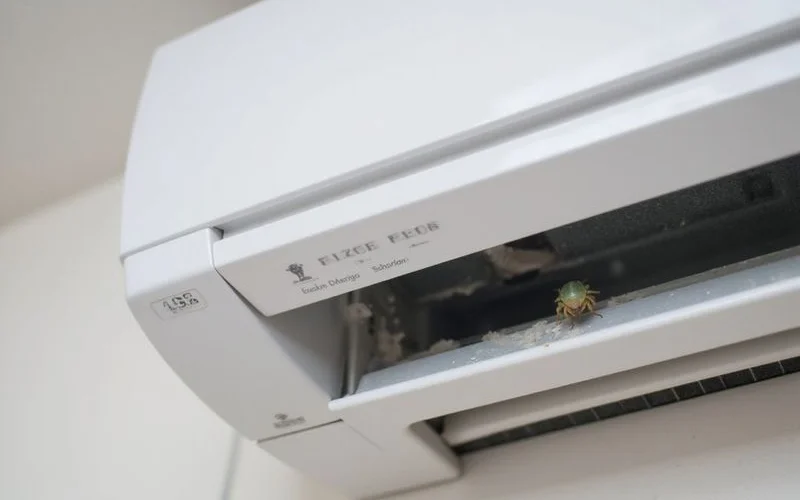
Our experience shows that the dark, moist interior of an air conditioning unit provides a perfect microclimate. From what I’ve seen, this hidden ecosystem is what separates minor nuisances from expensive electrical failures. Cockroaches, lizards, and ants actively seek out these spaces for shelter, water, and warmth.
We often find droppings near indoor units during regular aircon servicing checks.
These signs usually indicate a much larger pest issue hiding just out of sight. Let’s break down the exact reasons these intruders target your system and explore practical ways to protect your aircon from pests in Singapore.
Why Pests Love Your Aircon
Your unit creates an artificial habitat that directly caters to the survival needs of local insects. Let’s look closely at the specific conditions drawing them indoors.
Moisture and Water Sources
The evaporator coils produce heavy condensation as they cool the tropical air. This water collects in the drainage tray and flows out through the drain pipe.
Our technicians note this creates a highly reliable water source. Stagnant tray water can even become a breeding ground for Aedes aegypti mosquitoes. The National Environment Agency (NEA) actively enforces strict 2026 regulations regarding this issue.
We advise clients that the NEA can issue a $200 SGD fine for first-time offenders found breeding mosquitoes in residential homes. The penalty increases significantly for repeat violations.
Heat Generation
We also see that electrical components inside the indoor unit generate constant heat. This creates an attractive, warm space even when the compressor is completely switched off. Common local species like the American cockroach and Asian house gecko are instinctively drawn to these warm spots.
Our recent service calls show that Pharaoh ants are particularly problematic. They actively build nests around warm circuit boards, eventually causing system shorts.
Shelter and Access Routes
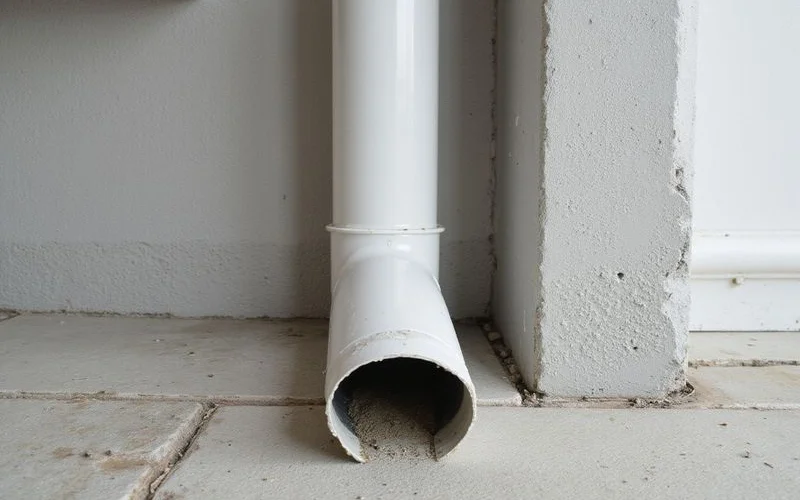
Our inspections frequently reveal that the enclosed space inside the indoor unit provides perfect hiding spots. These areas keep pests safe from household predators and human activity. The drainage pipe acts as the main highway for these intruders.
This pipe connects the indoor unit directly to the outdoors. It gives insects a direct path into your living room or bedroom. Gaps around the piping that passes through walls are another common entry point you should check.
The Damage Pests Cause
Pests inside your system are a serious maintenance issue. We regularly handle cases where ignoring these intruders leads to severe property damage. The impact goes far beyond just a minor annoyance.
Blocked Drainage
Cockroach droppings, dead insects, and lizard eggs quickly accumulate in the drainage tray and pipe. These blockages prevent water from draining properly over time. The trapped water eventually spills over, leading to aircon leaking water directly inside your home.
We rank this as one of the most common causes of water leaks in HDB flats and private condos. A simple blockage can damage your paint, flooring, and nearby electronics.
Expensive Electrical Damage
Geckos and lizards frequently crawl onto the printed circuit board (PCB) seeking warmth. A sudden short circuit happens when a gecko bridges the high-voltage capacitor and ground terminals. This electrical arc completely destroys the sensitive motherboard.
We want you to know that replacing a PCB for major brands like Daikin or Mitsubishi Electric is highly expensive in Singapore. Current 2026 market rates for a replacement depend heavily on your specific setup.
- Standard Wall-Mounted Units: Typically $350 to $500 SGD.
- Complex Multi-Split Systems: Often $600 to $900+ SGD.
- Commercial VRV/VRF Units: Can exceed $1,000 SGD.
Serious Health Risks
Cockroach frass and shed skin inside the unit become airborne the second you turn on the fan. Blower wheels often hide massive amounts of German cockroach debris. These microscopic particles are documented by health experts as major asthma triggers.
We warn clients that a contaminated unit is highly dangerous in a sealed bedroom. Your system is essentially blowing cockroach residue into the air you breathe while sleeping.
Persistent Bad Smells
Dead pests decomposing inside the unit create a strong, foul odour. Standard servicing can easily remove the immediate source of the problem.
We recommend deeper cleaning if the foul smell is recurring.
How to Protect Your Aircon from Pests in Singapore
Taking preventative action is always cheaper than repairing a fried circuit board. We advise implementing a multi-step approach to secure your cooling system. These simple adjustments make a massive difference in keeping your home hygienic.
1. Install a Plastic Drain Trap
The drainage pipe serves as the absolute main entry point for crawling insects. A simple plastic U-trap acts as a protective water seal. This physical barrier completely prevents pests from crawling up the pipe into the indoor unit.
We highly suggest getting this inexpensive upgrade. These standard PVC traps cost just $5 to $15 SGD and are easily fitted at the end of the drainage pipe where it exits your home. Ask your technician to install one during your next servicing appointment.
2. Seal Pipe Penetrations
A visible gap often exists where copper refrigerant pipes and drainage pipes pass through the wall. The original putty or foam shrinks and cracks over time. This creates an open doorway for ants and roaches to enter your property.
We urge you to check these entry points every few months. Reseal them immediately with high-quality Polyurethane (PU) expanding foam instead of regular putty. Pests easily chew through cheap putty, but the expanding foam creates a much denser, lasting barrier.
3. Keep the Surrounding Area Clean
You should never store food, rubbish, or recyclables near the indoor or outdoor units. Stray crumbs and sticky residue rapidly attract pests to the general area. Once nearby, they quickly discover the convenient shelter your equipment provides.
Our team stresses that this is especially critical for kitchen areas equipped with ceiling cassette units. Grease and cooking oils easily coat the exterior, drawing in German cockroaches.
4. Run the System Regularly
Units that sit unused for long periods become prime real estate for nesting pests. Stagnant water in the drainage tray and undisturbed darkness create ideal breeding conditions. Roaches thrive when they are left completely alone in these damp spaces.
We recommend following a simple weekly routine for rarely used spare room units:
- Turn the system on using the standard cooling mode.
- Set the temperature to 20°C for maximum airflow.
- Let it run continuously for 15 to 20 minutes.
- This habit circulates fresh air and dries out the moist interior.
5. Schedule Routine Chemical Washes
Routine servicing includes a high-pressure flush of the drainage pipe. This standard maintenance process effectively clears out hidden pest debris, spider webs, and unhatched eggs. A deeper intervention is required for units suffering from persistent pest problems.
We suggest booking a thorough chemical wash to solve the root cause. This process uses alkaline-based solutions with a pH of 8 to 9 to safely dissolve organic matter from the evaporator coils. It removes the precise food sources attracting insects without stripping the hydrophilic coating on your aluminium fins.
6. Deploy Repellents Near the Outdoor Unit
The outdoor condenser unit is highly accessible to passing insects. Targeted pest control products should be placed near the base of the outdoor unit. You must avoid spraying aerosol insecticide directly onto the equipment.
Our technicians warn that harsh chemical sprays can corrode the delicate aluminium fins and cause permanent damage. Instead, consider using targeted baits for safer, more effective control.
Choosing the Right Repellent Strategy
We frequently test different pest control methods around outdoor condensers. The table below outlines two highly effective options for the Singapore climate.
| Repellent Type | Specific Product Example | Active Ingredient | Best Use Case |
|---|---|---|---|
| Gel Bait | Advion Cockroach Gel | Indoxacarb (Slow-acting poison) | Tight corners and vertical spaces near pipe exits. |
| Bait Stations | Combat Roach Killer | Fipronil (Broad-spectrum insecticide) | Directly beside the outdoor condenser unit. |
7. Inspect Your Pipe Insulation
Damaged insulation on the refrigerant pipes causes heavy condensation to form on the outside. This easily accessible moisture acts like a magnet for thirsty insects. The constant dripping provides a steady water supply right next to the entry points.
We advise you to ensure the foam pipe insulation remains fully intact. Replace any sections that look visibly cracked, peeling, or missing.
What to Do If Pests Are Already Inside
Finding a nest inside your cooling equipment requires immediate, careful action. Aerosol chemicals easily damage sensitive electrical components and severely corrode the copper coils. These harsh sprays also create a toxic environment that circulates directly into your breathing air.
Our experts recommend following a strict protocol to safely remove the infestation. Taking the right steps prevents further damage and keeps your family safe.
Professional Removal Steps
- Turn off the main power to the unit immediately to prevent electrical shorts.
- Schedule a targeted chemical wash with a licensed, professional technician.
- Ask the specialist to manually remove all internal components, clearing out pests, eggs, and droppings.
- Request the installation of a physical drain trap and check all wall seal points.
- Implement the prevention tips listed above to stop the colony from returning.
Pest problems in residential and commercial cooling units are incredibly common across the island. Our daily service logs prove that ignoring a small issue quickly leads to an expensive repair bill. Knowing exactly how to protect your aircon from pests in Singapore saves you money, improves your air quality, and extends the lifespan of your equipment.
We urge you to take proactive steps today before a stray gecko shorts out your circuit board. Prevention is always significantly easier and cheaper than dealing with the severe damage after the fact.
Book a comprehensive inspection with a professional technician to ensure your system remains clean, safe, and entirely pest-free.
Billy Aircon Team
Technical Writers
The Billy Aircon editorial team draws from our 26-strong workforce of experienced aircon technicians.