Signs Your Aircon Is Low on Gas (And What to Do)
Is your aircon not cooling well? It might be low on refrigerant gas. Learn the clear signs of low aircon gas, what causes it, and when you need a gas top-up in Singapore.
Billy Aircon Team
We often see homeowners searching for the Signs Your Aircon Is Low on Gas (And What to Do) because they assume their struggling unit just needs a routine refill.
That assumption misses a fundamental truth about how modern cooling systems operate. Our team at Billy Aircon has spent over two decades providing professional aircon servicing and diagnosing cooling issues across Singapore, and we want to set the record straight.
Air conditioners use a completely sealed loop, meaning they never naturally consume refrigerant over their 10 to 15-year lifespan.
We know that a sudden pressure drop always indicates a physical breach somewhere in your copper piping. Finding that precise leak is the most critical step before paying for new gas.
Let’s review the data and the practical steps to fix this issue permanently.
Recognizing the Signs Your Aircon Is Low on Gas (And What to Do)
1. Air Is Not Cold Enough
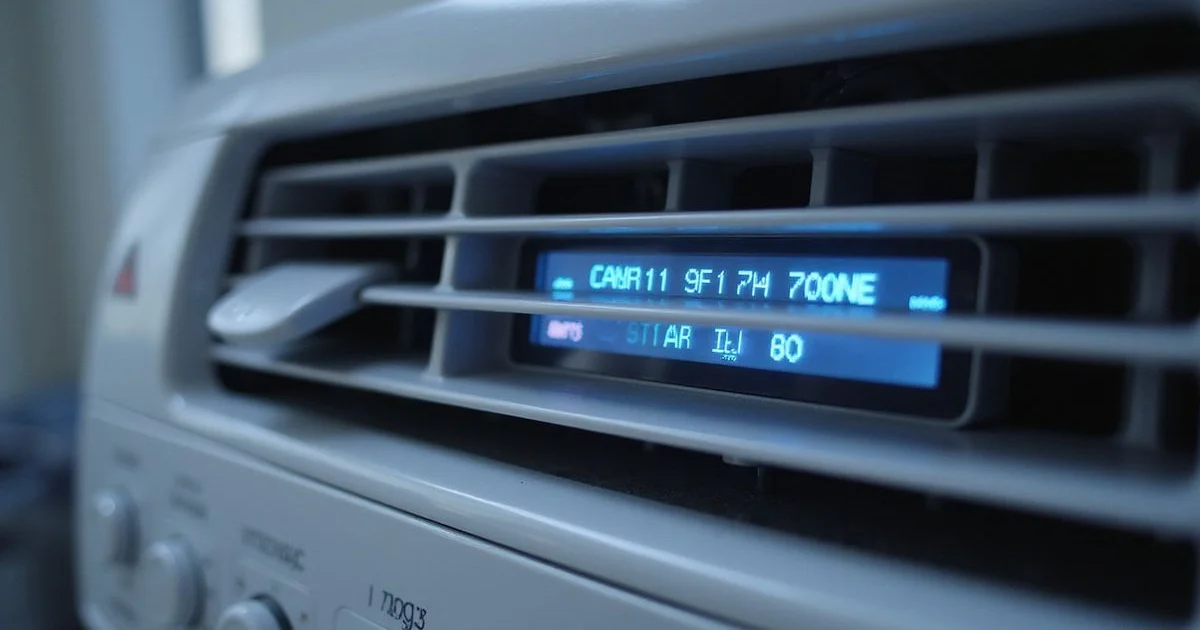
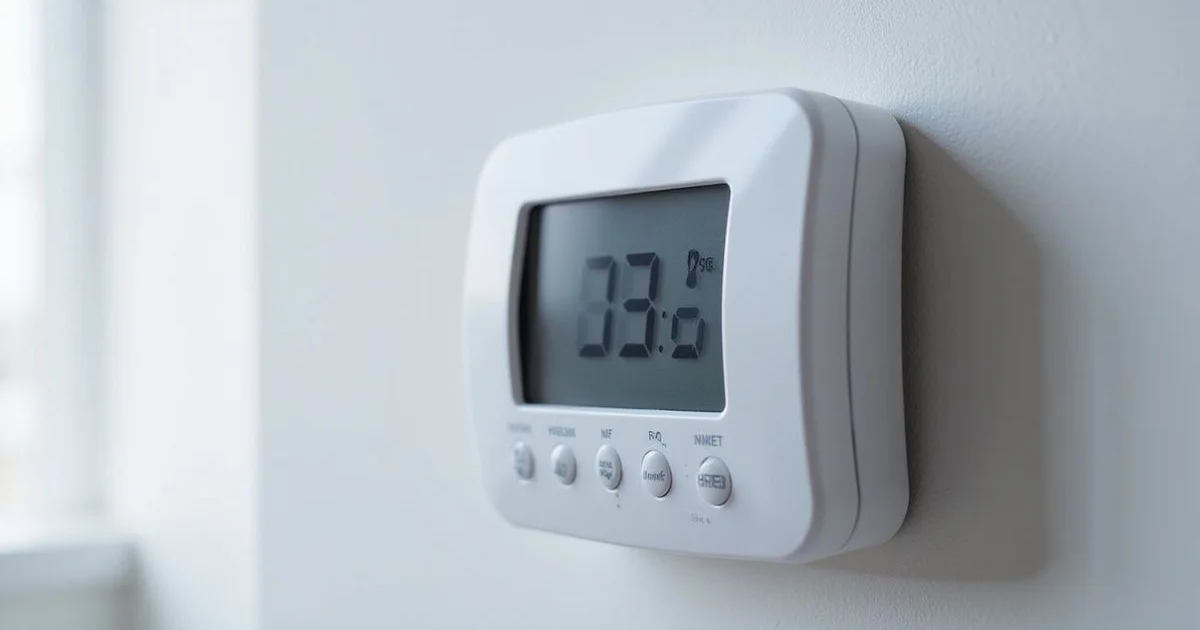
This is the most common symptom across residential properties in Singapore. The aircon blows air, but it lacks the sharp cooling power it once had. Our technicians frequently see this issue misdiagnosed.
Dirty coils, blocked filters, and thermostat problems produce similar results. We use a professional manifold gauge to read the exact system pressure. A healthy system absorbs heat efficiently, but low gas leaves the air feeling lukewarm at best.
2. The Aircon Runs Constantly Without Cycling Off
A properly charged aircon reaches the set temperature, shuts the compressor off, and then restarts only when the room warms up again. With low gas, the compressor runs non-stop because the system lacks the thermal capacity to bring the room down to the target temperature.
We find that compressors forced to run continuously wear out years before their expected 10 to 15-year lifespan. This constant strain leads to significant overheating and premature mechanical failure.
Pro-Tip: A constantly running compressor is the leading cause of premature aircon failure. Fixing a gas leak early can save you upwards of $1,200 in replacement costs down the line.
Our service logs show a direct correlation between low refrigerant and severe spikes in electricity bills. The motor draws continuous maximum power without its intended rest cycles.
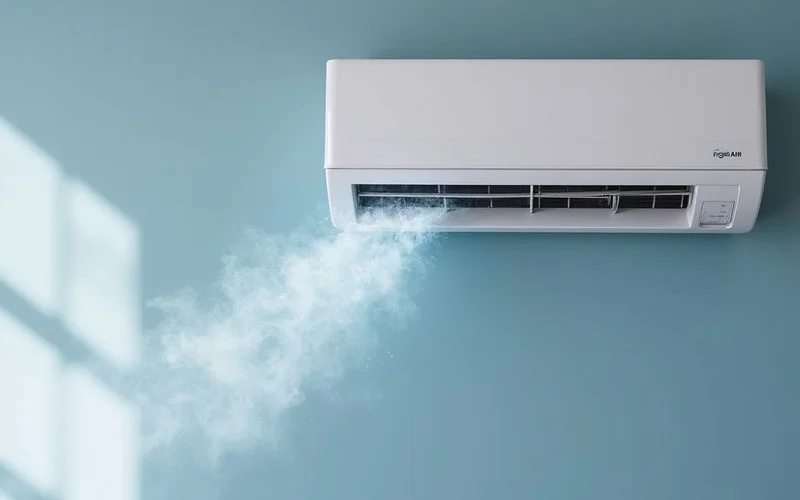
3. Ice on the Evaporator Coils or Copper Pipes
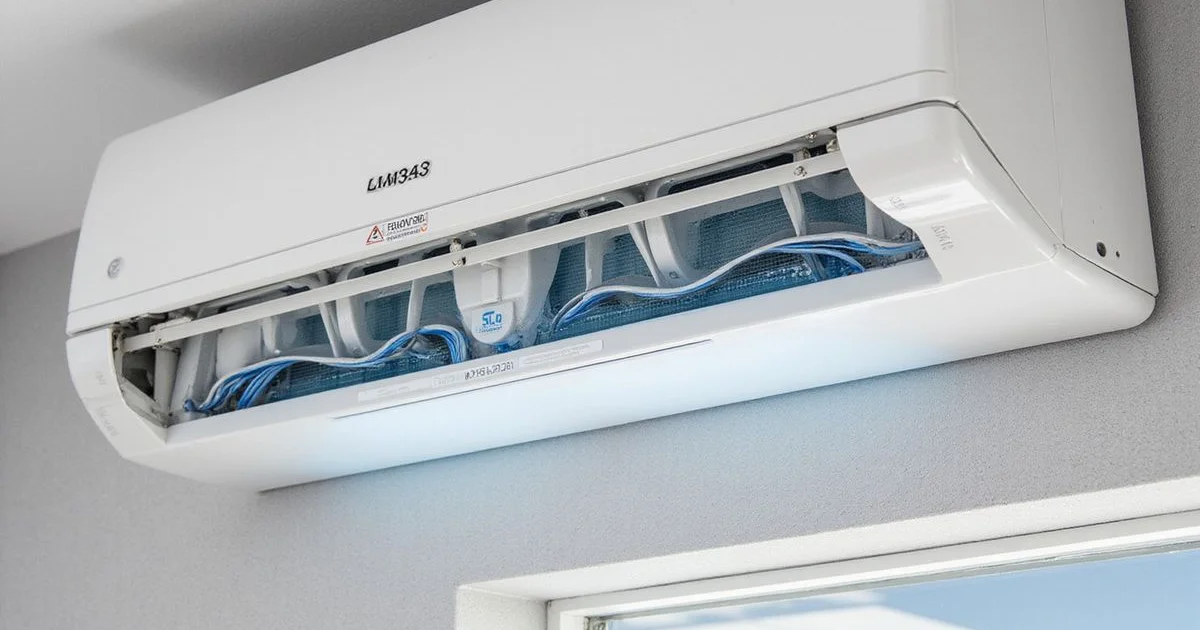
Open the front panel of your indoor fancoil unit to check for frost. If you see ice forming on the metal evaporator coils, this is a strong indicator of low gas. Our field teams note that a drop in pressure causes the remaining R32 or R410A refrigerant to expand too rapidly.
This sudden expansion plunges the coil temperature below zero degrees Celsius. We regularly observe this freezing effect turning normal condensation into solid ice immediately. You might also spot frost on the thicker copper suction line connecting the indoor and outdoor units.
4. Water Leaking When the Ice Melts
As the ice on the coils eventually thaws, it generates a massive volume of water. The internal drainage tray simply cannot handle this sudden surge, leading to water leaking directly from the indoor unit down your wall.
Our technicians always check for ice formation when a customer reports a leak. This messy overflow commonly results in:
- Damaged wall paint and structural water stains
- Mold and mildew growth inside the unit
- Potential electrical hazards near the power source
We know that addressing the gas pressure resolves both the temperature issue and the flooding hazard. Replacing clogged drain pipes prevents future property damage.
5. Hissing or Bubbling Sounds
If the gas level drops rapidly due to a severe puncture, you may hear distinct noises from your unit. A faint hissing sound near the capillary tubes or flare joints points to high-pressure gas escaping into the air.
Our field teams use these acoustic clues to narrow down the exact location of a breach. A bubbling noise from inside the indoor unit indicates liquid refrigerant boiling off into a gas too early in the cycle.
We strongly recommend reading our detailed guide on aircon gas leak signs for more specific audio examples. Catching these sounds early prevents a total loss of cooling fluid.
6. The Outdoor Unit’s Compressor Is Unusually Hot
Touch the casing of the outdoor condenser unit carefully. If the metal shell feels significantly hotter than its normal operating temperature, the compressor is severely overworking.
Our repair experts know the system relies on returning cold refrigerant vapour to cool the compressor motor. Running a compressor without its vital cooling gas often leads to complete mechanical failure.
We strongly advise turning the system off immediately if you detect this extreme heat. A burned-out compressor easily costs upwards of $1,200 to replace in Singapore.
What Causes Low Gas?
It is a widespread misconception that aircon gas depletes over time like petrol in a car engine. The refrigerant operates in a closed loop and should remain constant for the life of the machine.
We frequently remind customers that if your gas is low, a physical leak exists somewhere in the circuit. Age and environmental factors play a massive role in creating these microscopic holes.
Our repair teams encounter a few common culprits across Singaporean households:
- Loose flare joints: Constant vibration from the outdoor compressor loosens these connecting nuts over the years.
- Capillary tube friction: These fragile copper tubes often rub against nearby metal parts, wearing away until a tiny puncture forms.
- Formic acid corrosion: High humidity reacts with indoor air pollutants to create acid, eating microscopic holes into the copper evaporator coils.
- Concealed trunking leaks: Copper piping hidden within HDB walls can develop stress fractures from poor pipe insulation.
- Poor installation: Inexperienced contractors often fail to tighten connections correctly or skip the mandatory initial pressure test.
What to Do
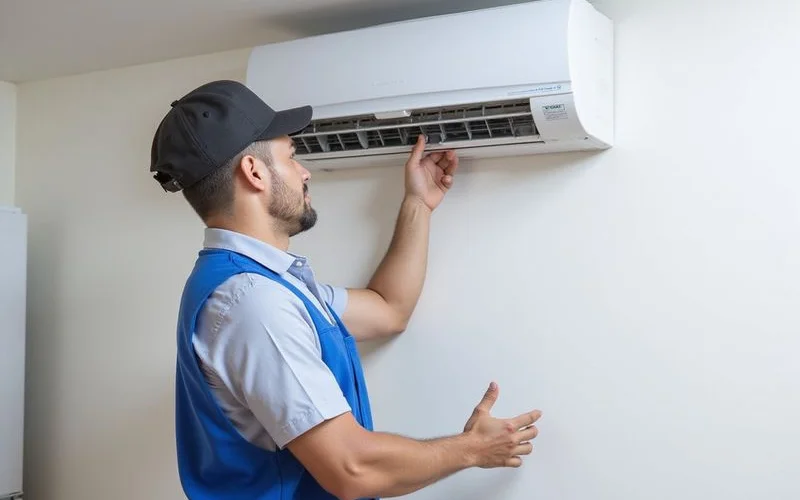
Step 1: Confirm with a Professional
Call a licensed technician to check the exact refrigerant pressure using a digital manifold gauge. This tool provides a precise pounds per square inch (PSI) reading to confirm the diagnosis.
Our standard diagnostic process at Billy Aircon always includes this exact pressure verification. A healthy R410A system typically reads between 115 and 140 PSI on the low side during a warm afternoon.
We also measure newer eco-friendly R32 systems, which run at slightly higher pressures between 135 and 155 PSI under the same conditions.
Step 2: Find and Fix the Leak
The leak must be located and permanently sealed before any new gas is introduced. Simply adding more refrigerant without patching the hole guarantees you will face the same warm air issue within a few months.
Our technicians perform a high-pressure nitrogen test to pinpoint the exact failure point. Escaping gas always carries a fine mist of compressor oil with it.
Diagnostic Secret: If you spot subtle, dark oil stains on your copper pipes or near the condenser unit connections, you have almost certainly found the exact location of your refrigerant leak.
We look for these oily residues as a reliable shortcut to spotting hidden punctures along the trunking. Finding that exact spot saves hours of manual checking.
Step 3: Top Up the Correct Refrigerant
Once the circuit is completely sealed, the technician refills the system with the precise weight of refrigerant. Modern units in Singapore utilise either R410A or the newer R32 gas.
We strictly follow manufacturer guidelines, as R32 is rapidly becoming the standard. This newer gas boasts a Global Warming Potential (GWP) of 675, which is roughly a third of the environmental impact of R410A.
Our pricing data for 2026 shows that a standard R410A refill ranges from $80 to $165, depending on the system size. An R32 top-up costs slightly more, sitting between $130 and $180. We provide complete pricing details on our gas top-up service page for full transparency. Never mix different refrigerant types, as the incompatible pressures will destroy the compressor.
Step 4: Retest the System
After the final charge, the technician must run the unit to verify that optimal cooling performance has returned. They will measure the subcooling and superheat temperatures to ensure the liquid and vapour states are balanced perfectly.
We never leave a job site until the return air temperature drops into the correct comfort zone. The pressure readings must align perfectly with the manufacturer specifications printed on the outdoor condenser label.
How to Prevent Low Gas Issues
Staying ahead of leaks saves you from sudden breakdowns during the hottest months. Preventative care catches minor vibrations and corrosion before they escalate into major breaches.
We design our maintenance programmes to focus on a few specific actions that protect your entire system. Routine checks keep your equipment running for its full 15-year lifespan.
- Schedule regular servicing every three to four months to ensure technicians check the PSI levels early.
- Ensure new installations are handled by qualified professionals who properly torque all flare connections and execute a strict nitrogen pressure test.
- Protect the vulnerable copper piping with thick insulation to block out moisture and reduce formic acid corrosion.
- Address any signs of needing repair the moment you notice a change in cooling power or hear strange noises.
You can compare the two most common modern refrigerants in the table below to understand their differences in efficiency and environmental impact.
| Feature | R410A Refrigerant | R32 Refrigerant |
|---|---|---|
| Global Warming Potential (GWP) | 2088 (High environmental impact) | 675 (Low environmental impact) |
| Energy Efficiency | Standard baseline | Up to 10% more efficient |
| Operating Pressure | 115 to 140 PSI (Low Side) | 135 to 155 PSI (Low Side) |
| 2026 Average SG Refill Cost | $80 to $165 | $130 to $180+ |
Learning the Signs Your Aircon Is Low on Gas (And What to Do) ensures you catch this highly fixable issue early. The massive expense comes from ignoring the warning signs and allowing your compressor to burn out from a lack of cooling vapour.
We recommend addressing any drop in performance the moment you notice it. A simple leak repair today is vastly cheaper than a full condenser replacement tomorrow.
Contact our support desk to book a comprehensive pressure check and keep your space perfectly chilled.
Billy Aircon Team
Technical Writers
The Billy Aircon editorial team draws from our 26-strong workforce of experienced aircon technicians.