Aircon Isolator Switch: What It Is & Safety Guide
What is an aircon isolator switch and why is it important? This guide explains the purpose of the isolator switch, where to find it, and essential safety practices for Singapore homeowners.
Billy Aircon Team
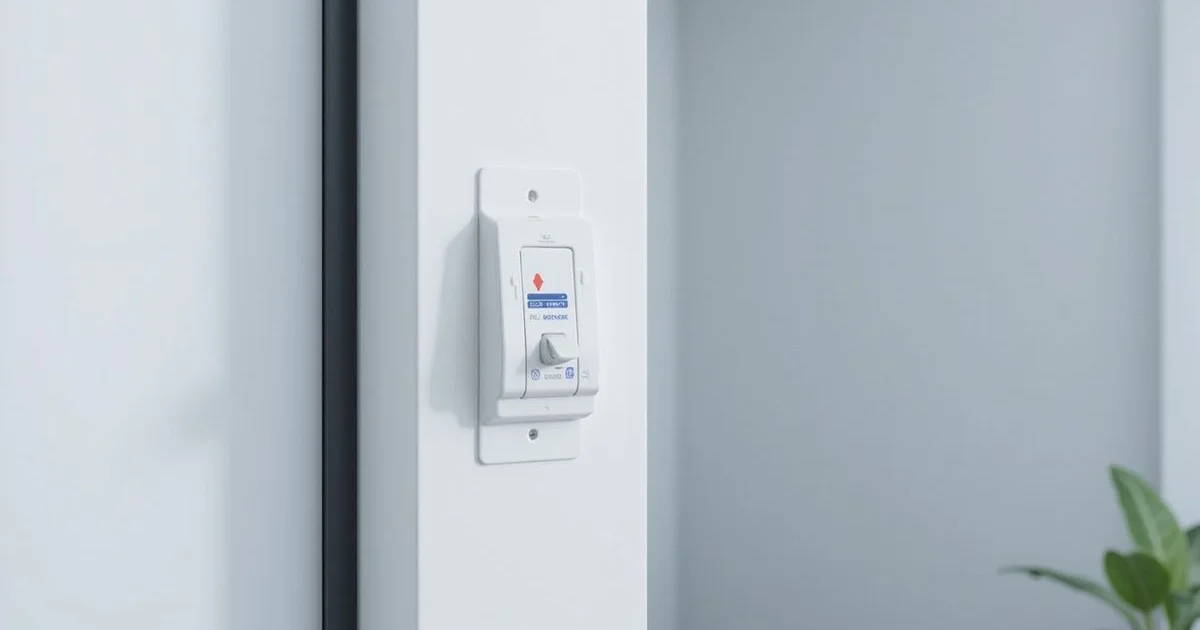
Our team at Billy Aircon often sees property owners reach for the remote to shut off their cooling systems. This Aircon Isolator Switch: What It Is & Safety Guide will explain why this habit leaves your property vulnerable to hidden electrical dangers.
The true safeguard sits right outside your window in a small, dedicated box.
We founded this company in 2003 with just five people. Today, the 26 dedicated experts on our aircon servicing team witness this same safety blindspot daily. You will discover how a simple switch prevents expensive compressor failures.
What Is an Isolator Switch?
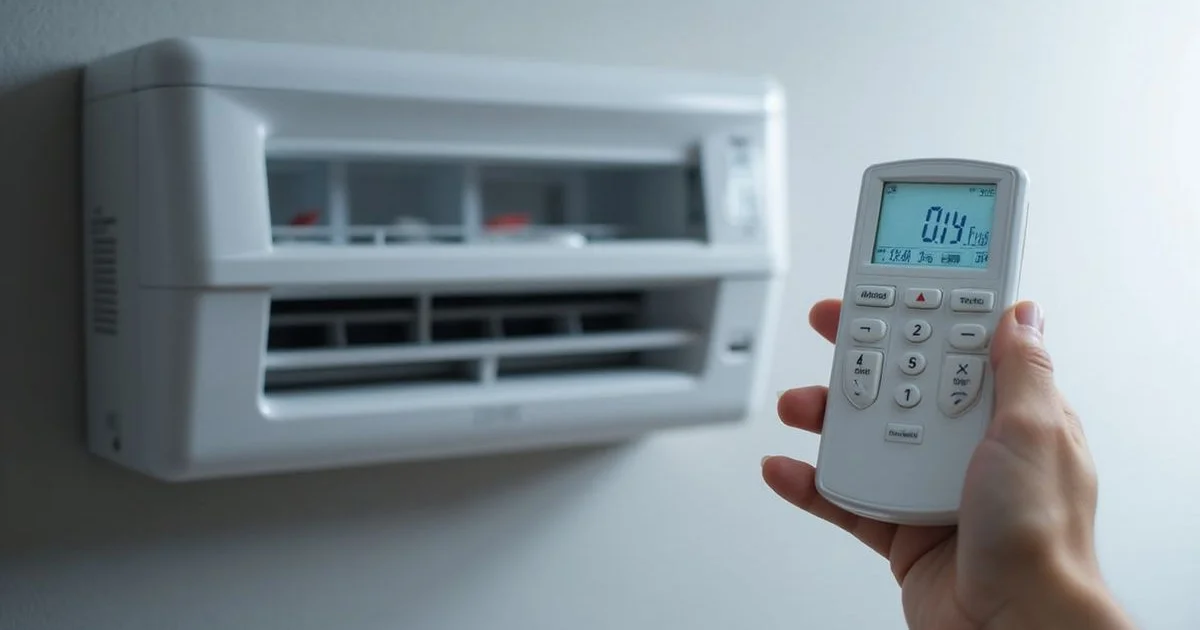
We often hear customers confuse the isolator with a standard power button. A standard remote control merely puts the system into a standby state, meaning electricity still flows through the internal wiring. This means your equipment remains fully exposed to unexpected power surges.
Our goal is to clarify that an isolator switch creates a complete, physical break in the electrical circuit. Pressing this manual switch stops 100 percent of the 230V residential voltage from reaching the condenser or fan coil unit. The Energy Market Authority (EMA) classifies this as an essential safety device for high-draw appliances.
Our experience shows that a standard 1.5 horsepower aircon pulls around 1,200 watts, making it a heavy load for any residential circuit. The Singapore Standard SS 638 strictly governs how these switches must be installed to handle such electrical demands safely. This specific switch is completely different from the main circuit breaker located in your distribution board or DB box.
We rely on the DB breaker to trip automatically during sudden electrical faults or overloads. The dedicated aircon isolator serves as a manual, user-controlled disconnect point for intentional power shutdowns. The table below highlights the distinct differences between these control methods.
| Feature | Remote Control | DB Box Circuit Breaker | Aircon Isolator Switch |
|---|---|---|---|
| Primary Function | Daily temperature and fan control | Automatic overload protection | Manual electrical disconnection |
| Power Status | Unit remains on standby | Cuts power to whole circuit | Cuts power to aircon only |
| Operation Type | User-operated | Automatic trip | User-operated |
Where to Find Your Isolator Switch
Our technicians locate these switches in a few standard spots across HDB flats and private condominiums. Singapore’s Building and Construction Authority (BCA) provides specific guidelines on where these devices must sit. These regulations ensure emergency access is always unimpeded.
We always check within a two-metre radius of the equipment, as regulations mandate they must be within an arm’s reach for emergencies. This placement ensures fast access during an electrical fault. Different housing types present slightly different configurations.
Near the Outdoor Condenser Unit
Our repair crews find the vast majority of these switches mounted on the exterior aircon ledge. A weatherproof, double-pole switch box usually sits on the wall right next to the outdoor compressor. These outdoor units must use an IP66-rated enclosure to block out the heavy monsoon rain.
We depend on this outdoor placement to safely cut power before servicing the condenser. This convenient location means workers never need to enter your living room to shut down the main breaker. It keeps the maintenance process entirely external and unobtrusive.
Inside the Home Near the Indoor Unit
Our teams occasionally encounter the switch mounted high on the bedroom or living room wall. This setup appears frequently in older HDB flats built before standard aircon ledges became common. Newer BTO flats integrate these points much more seamlessly into the structural design.
We typically look above the bedroom door or right next to the indoor fan coil unit. Wall-mounted switches in living areas usually sit between 1.2 to 1.5 metres from the floor for easy reach. Placing them at this height prevents young children from accidentally turning off the power.
In the Main Distribution Board (DB)
Our electricians sometimes see installations where the dedicated aircon breaker in the DB box acts as the sole isolator. This older configuration works safely, but it is far less convenient than having a switch right next to the appliance. Searching for the correct breaker in a dark hallway can be frustrating during an emergency.
We strongly advise upgrading to a localised switch during your next major renovation. This simple addition greatly improves safety and convenience for both you and any visiting technicians. Having immediate control makes a significant difference during a crisis.
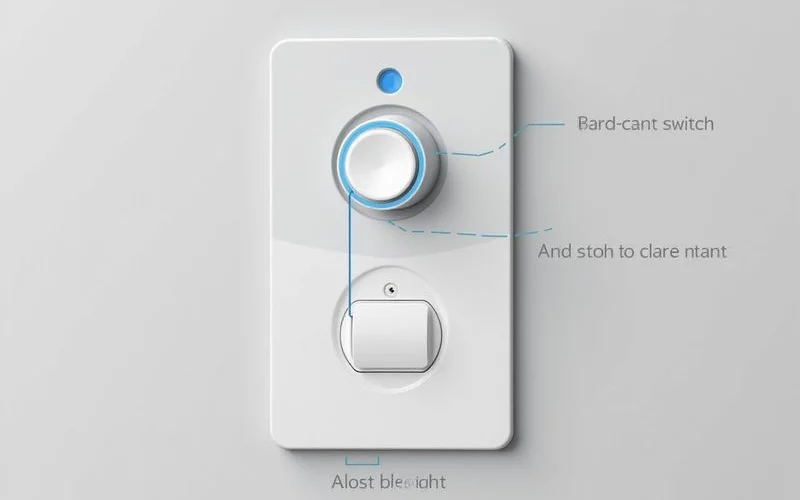
When to Use the Isolator Switch
Before Any Servicing or Repair
Our safety protocol mandates a complete power shutdown before starting any maintenance tasks. Chemical washes and gas top-ups require technicians to expose sensitive internal wiring and metal coils. These routine procedures become incredibly dangerous if the system remains live.
We always locate and test the isolator before beginning any servicing or repair work. Even when turned off via the remote, large starting capacitors inside the condenser hold a lethal electrical charge. Some of these capacitors hold up to 60 microfarads of stored energy, which can cause severe shocks.
Our technicians use the isolator to eliminate this electrocution risk entirely, protecting both your property and the worker. A physical disconnection is the only foolproof method to guarantee safety. This standard procedure protects everyone involved in the maintenance process.
During Thunderstorms
We regularly see the damage caused by the average 175 lightning days per year recorded by the Meteorological Service Singapore. Direct lightning strikes send massive power surges travelling right through HDB and condo electrical grids. These sudden voltage spikes easily destroy the sensitive printed circuit boards inside your unit.
Our teams highly recommend flipping the isolator to the “off” position during severe monsoon storms to prevent specific electrical failures. Consider the expensive components at risk during a direct power surge. The following parts are most vulnerable to lightning strikes.
- Main thermistors and temperature sensors
- Primary logic boards and printed circuit boards
- Compressor motors facing sudden voltage spikes
We replace hundreds of fried motherboards every November and April, which are peak lightning months. A quick manual disconnection saves you from facing hefty repair bills that often run between S$400 and S$700. It is a zero-cost habit that provides absolute equipment security.
When Going on Holiday
Our standard advice for clients leaving Singapore for more than a few days is to physically disconnect the system. Keeping the appliance on standby offers absolutely zero benefit while the house sits empty. Your equipment simply waits to receive a remote signal that will never come.
We find that standby mode constantly drains a small amount of electricity, which adds up on your monthly SP Group bill. With the 2026 electricity tariff sitting around 29.11 cents per kWh including GST, those phantom loads cost you unnecessary money. A disconnected system guarantees zero risk of an electrical short circuit starting a fire while you travel overseas.
When You Smell Burning
Our emergency guidelines classify any burning plastic or ozone smell as an immediate crisis. A melting wire, a failing blower motor, or an overheating relay switch can rapidly escalate into a severe fire hazard. Electrical fires spread quickly through plastic ducting and ceiling spaces.
We require you to switch off the isolator the exact second you detect a strange odour. Do not turn the system back on until a licensed technician completes a full diagnostic check. Ignoring these olfactory warnings often leads to catastrophic equipment failure.
When the Unit Shows Electrical Faults
Our experts rely on the machine’s built-in diagnostics to warn us of deeper electrical trouble. If your indoor unit starts displaying strange error codes or blinking lights, the system is struggling to operate safely. These alerts indicate internal communication failures or sensor breakdowns.
We instruct customers to isolate the power immediately to prevent further damage to the compressor. A prompt shutdown stops a minor sensor glitch from turning into a massive, expensive motor failure. Waiting for the system to correct itself usually compounds the mechanical damage.
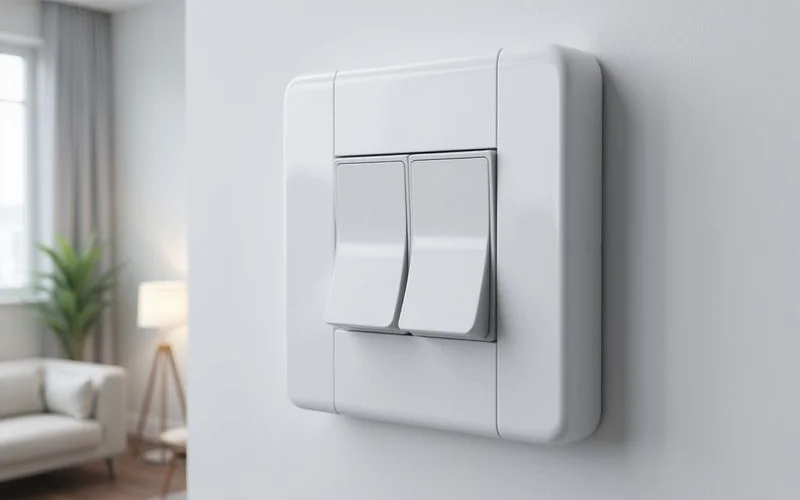
Safety Practices
Avoid Daily Switching
Our engineers strongly warn against using the heavy-duty switch as your regular on and off button. This component features heavy mechanical contacts designed for occasional, deliberate use. Repetitive switching degrades the internal copper terminals prematurely.
We noticed through longevity tests that flipping it daily rapidly wears out the internal springs and causes contact arcing. You should strictly use the remote control for daily temperature adjustments and cooling schedules. Quality brands like Hager or Schneider Electric build these devices for safety rather than daily convenience.
Our recommendation is to reserve the physical switch exclusively for maintenance days, severe storms, and long vacations. Treating the device correctly ensures it will function perfectly during a genuine emergency. Proper handling extends the lifespan of both the switch and the air conditioning system.
The Five-Minute Restart Rule
We observe many compressor failures caused by users turning the power back on too quickly. If you just restored power to the isolator, you must wait a few minutes before starting the cooling cycle. This pause allows the internal pressures to stabilise across the expansion valve.
Our technicians explain this allows the internal compressor oil to warm up and settle properly at the base. Follow this exact sequence to prevent a damaging condition known as liquid slugging, where incompressible liquid refrigerant floods the compressor motor. Liquid slugging causes catastrophic mechanical damage to the internal pistons and valves.
- We recommend turning on the physical isolator switch at the wall first.
- Wait exactly five minutes for the refrigerant pressures to equalise.
- Power on the indoor unit using the standard remote control.
We emphasise this waiting period heavily if the system remained completely off for several weeks. Rushing the restart process forces the motor to push against immense resistance. A little patience saves thousands of dollars in premature replacement costs.
Maintain Outdoor Weatherproofing
Our crews frequently replace damaged switches on HDB ledges that have degraded under the harsh tropical sun. A cracked plastic housing allows heavy monsoon rain to seep directly into the live electrical terminals. The intense UV rays make standard plastics brittle within just a few years.
We consider water ingress inside a 20A switch to be an extreme shock and fire hazard. Check the external polycarbonate casing every few months and replace any brittle, yellowed, or cracked covers immediately. An intact IP66 weatherproof seal is your primary defence against electrical shorts.
Apply Clear Room Labels
Our service teams save critical time during emergencies when multiple switches are clearly marked. Condominiums running System 3 or System 4 setups often feature a row of identical grey boxes on the balcony. Differentiating them visually removes any guesswork during a power trip.
We use permanent markers during installation to label which switch controls the master bedroom versus the living room. A simple printed label prevents you from guessing in the dark during a sudden electrical fault. Clear identification helps technicians isolate specific circuits faster during repair visits.
Installation Requirements
Our master electricians ensure every new installation fully complies with local energy regulations. The Energy Market Authority strictly regulates electrical modifications to prevent residential fires. Unauthorised electrical work in an HDB flat carries severe penalties, including fines up to S$5,000 and forced reinstatement.
We ensure our licensed electrical workers follow precise specifications when fitting these safety devices. Upgrading a faulty switch is a quick, inexpensive job that dramatically improves home safety. Professional fitting guarantees the wiring can handle the sustained amperage without overheating.
Our team adheres strictly to the current 2026 electrical codes, which mandate several crucial standards. Ignoring these guidelines invalidates your home insurance policies in the event of a fire. The primary requirements dictate the exact specifications for safety and durability.
- Correct Amperage Rating: We specify the correct amperage rating, typically requiring a 20A or 25A double-pole switch for residential units.
- Professional Installation: Only an EMA-licensed electrician can legally wire the component into your main circuit for professional installation.
- Accessible Positioning: The box must remain unobstructed and easy to reach without moving heavy furniture to ensure accessible positioning.
- Ingress Protection: We mandate ingress protection, meaning outdoor units require IP66-rated weatherproof enclosures to block dust and driving rain.
Standard isolator replacement usually costs between S$120 and S$160, depending on the wire routing. This minor investment provides immense peace of mind and keeps your property legally compliant.
The Isolator and Your Aircon’s Lifespan
Our management views correct electrical management as the foundation of long-term equipment health. A functioning safety switch acts as a crucial shield against unpredictable grid fluctuations and severe weather events. Proper power isolation prevents cumulative damage to sensitive microchips.
We have maintenance data proving that protecting the main PCB from sudden power surges directly extends the system’s operational life. Performing an occasional hard reset by cutting the power completely also clears out lingering electronic glitches in the memory board. This simple reset often resolves minor cooling inefficiencies without a service call.
We integrate switch inspections into every single routine maintenance visit to ensure your safety devices remain fully functional.
Responsible ownership means pairing this electrical diligence with consistent servicing schedules. Preventative care identifies worn contacts long before they melt or spark.
We encourage you to review this Aircon Isolator Switch: What It Is & Safety Guide whenever you schedule routine maintenance. For more essential aircon knowledge for Singapore homeowners, explore our guides on piping, insulation, and bracket mounting. Stay proactive with your electrical safety to enjoy uninterrupted cooling all year round.
Billy Aircon Team
Technical Writers
The Billy Aircon editorial team draws from our 26-strong workforce of experienced aircon technicians.