Aircon Insulation: Why It Matters & Signs of Damage
Damaged aircon insulation causes condensation, water drips, and higher electricity bills. Learn why pipe insulation matters, how to spot damage, and when to replace it in Singapore.
Billy Aircon Team
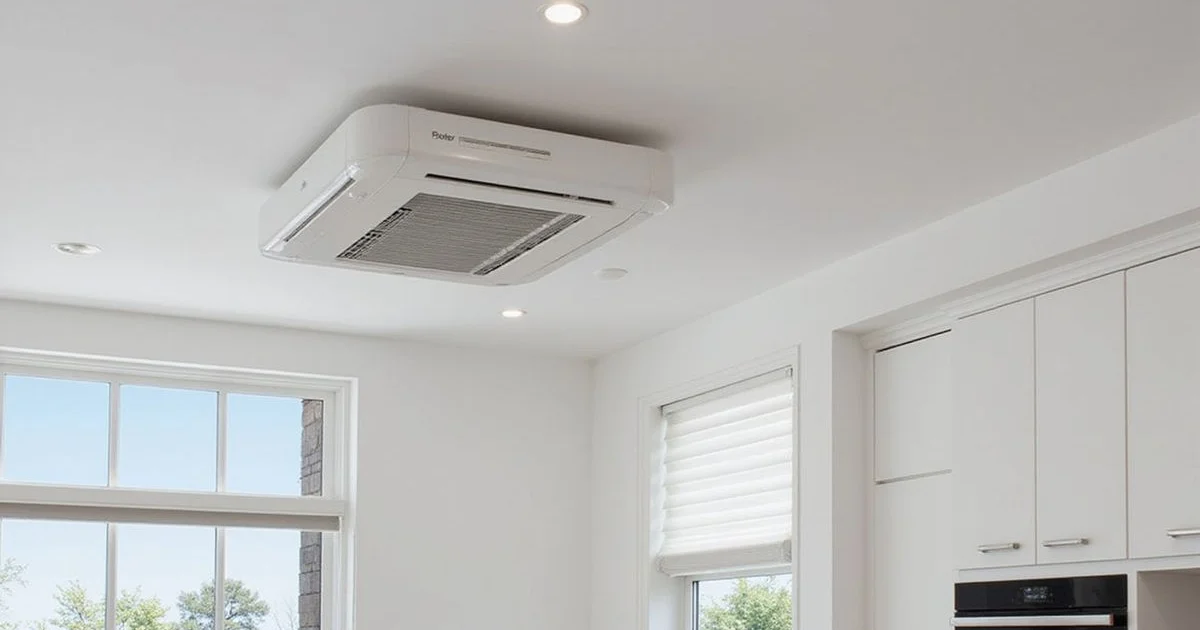
Many facility managers and homeowners overlook the black foam tubes wrapped around their cooling pipes. Our team notices this exact oversight during almost every aircon servicing site visit. These simple foam sleeves actually dictate how efficiently your entire cooling setup operates.
In a humid climate, proper coverage prevents energy waste and stops water damage before it starts. We frequently answer questions regarding Aircon Insulation: Why It Matters & Signs of Damage. This topic usually surfaces right after a costly leak ruins a plaster ceiling.
Our team of 26 at Billy Aircon, grown from just five founders in 2003, is dedicated to keeping Singapore cool and protecting your walls from bare copper damage. Let us look at the data, identify the warning signs, and explore a few practical ways to respond. The following guide breaks down the core functions of these materials so you can catch issues early.
What Aircon Insulation Does
The copper refrigerant lines connecting your indoor and outdoor units carry extremely cold gas. Our diagnostic tools show the suction line regularly dropping below 10 degrees Celsius. Condensation forms instantly when this freezing metal meets ambient air hitting 33 degrees Celsius with over 80% humidity. This reaction mirrors a glass of iced tea sweating on a hot patio.
We explain to clients that insulation serves three specific operational purposes:
- Prevents condensation by blocking warm air from hitting the cold pipe surface
- Maintains efficiency by stopping heat gain from the outdoor environment
- Protects the copper from constant moisture contact and rapid oxidation
The cooling system loses capacity before the refrigerant even reaches the blower without proper coverage. Our emergency crews often trace severe water damage back to this exact missing barrier. Exposed copper eventually corrodes. This degradation creates microscopic holes that lead directly to expensive gas leaks.
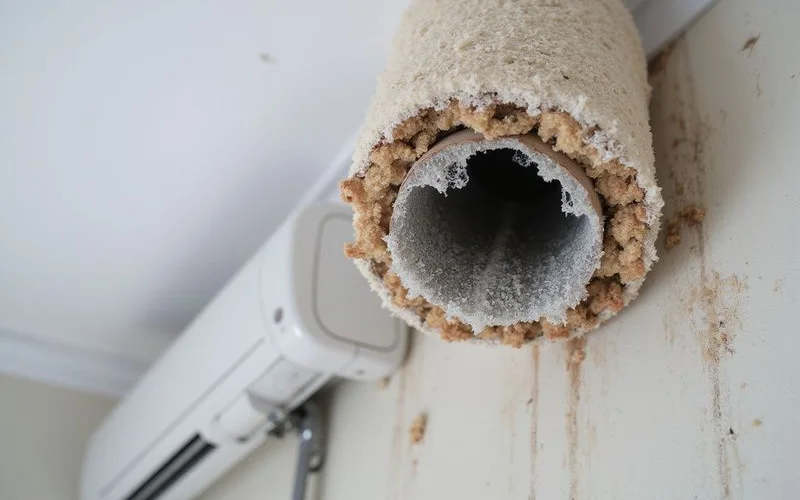
Aircon Insulation: Why It Matters & Signs of Damage
Finding the root cause of efficiency loss requires a careful visual inspection. We document several recurring symptoms during our daily maintenance routes. Catching these indicators early saves the compressor from fatal overexertion.
Water Dripping from Pipes
Moisture forming along the pipe run outside the fan coil unit points directly to a foam failure. This specific issue differs from a standard unit having an aircon leaking water from a choked drain pan.
Our specialists calculate that a typical 18,000 BTU unit pulls pints of water from the air daily. A massive volume of condensation drips directly onto your ceiling panels instead of draining properly when the foam tears.
Visible Cracks or Gaps
Outdoor sections face constant exposure to intense ultraviolet light. This daily solar radiation bakes the material until it cracks, shrinks, and turns brittle. We recommend inspecting the lines near your compressor every few months.
Look out for these specific physical defects:
- Cracks running along the length of the material
- Gaps where two separate sections meet
- Areas where the sleeve has shrunk away from the brass fittings
- Bare copper metal shining through the deteriorated covering
Mould Growth on Insulation
Damaged sections act like sponges by trapping condensation against the pipe. Our hygiene audits frequently uncover Aspergillus and Cladosporium mould strains thriving in these damp pockets.
You will usually notice fuzzy dark patches spreading across the outer skin. These active spores easily jump from the wet foam directly onto your adjacent walls.
Reduced Cooling Performance
Warm air easily penetrates torn foam and heats the cold refrigerant traveling inside. The gas lacks the required chill to lower your room temperature by the time it reaches the evaporator coils.
We constantly encounter complaints where the aircon is not as cold as expected just because of stripped pipes. The compressor runs perfectly fine, but the thermal loss along the journey ruins the output.
Higher Electricity Bills
Heat gain forces your compressor to run much longer cycles to reach the target temperature. Our calculations show this extra strain easily pushes electricity consumption up by 20%.
The SP Group electricity tariff for early 2026 stands at 29.11 cents per kWh with GST. Ignoring a torn sleeve actively drains your wallet every single hour the machine runs.
Types of Insulation Material
Choosing the correct specification directly impacts how long the barrier survives the tropical weather. We install specific grades depending on whether the piping runs indoors or faces direct sunlight. Contractors generally choose between a few distinct chemical compositions.
Armaflex and Superlon (Elastomeric Foam)
Nitrile butadiene rubber represents the industry standard for residential properties. Our top recommendations always include established brands like Armaflex or Superlon.
These closed-cell foams resist moisture absorption naturally and boast a low thermal conductivity of roughly 0.034 W/m·K. Most installers use a 3/8 inch (9mm) thickness, but upgrading to 1/2 inch (13mm) provides better protection against heavy condensation.
Polyethylene Foam
Budget installations sometimes rely on cheaper plastic-based options to cut initial costs. We avoid using this material for external routes entirely.
It provides adequate thermal protection initially. The plastic degrades much faster than elastomeric rubber when exposed to ultraviolet light.
Material Comparison Data
Reviewing the core metrics helps clarify why premium rubber outperforms basic plastics. Our engineers use these exact specifications to plan long-term installations.
The following table highlights the critical differences:
| Feature | Elastomeric Rubber (Armaflex/Superlon) | Polyethylene Foam |
|---|---|---|
| Material Base | Nitrile Butadiene Rubber (NBR) | Plastic Polymer |
| Moisture Resistance | Very High (Closed-cell) | Moderate |
| UV Durability | Good (Withstands indirect exposure) | Poor (Cracks quickly outdoors) |
| Best Application | All standard indoor and outdoor runs | Budget indoor concealed runs only |
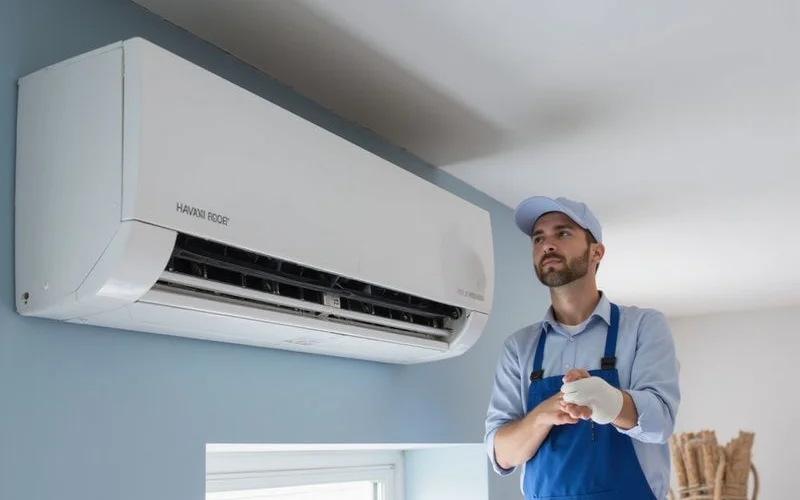
When to Replace Insulation
Foam sleeves have a limited lifespan and require periodic updates. We typically swap out outdoor sections every five to seven years. Indoor concealed lines can easily last a decade if left undisturbed.
Schedule a full replacement if you observe:
- Condensation drips actively staining your walls
- Exposed copper shining through at any joint
- The black surface crumbling into dust when pinched
- Fungal colonies spreading across the surface
DIY vs Professional Replacement
Accessible outdoor sections offer a fairly straightforward maintenance project. You can purchase standard tubes from most local hardware stores for a few dollars. Our advice for DIYers is to slice the tube lengthwise, wrap the pipe snugly, and seal the entire seam with heavy-duty PVC tape.
Sections passing through concrete walls or sitting above false ceilings require a completely different approach. Professional piping replacement in a standard HDB flat costs between SGD 700 and SGD 1,500.
This estimated price covers either exposed or fully concealed routing channels. We strongly recommend engaging experts for a complete installation to guarantee airtight joints. Leaving even a tiny gap allows humid air inside, which completely ruins the new foam.
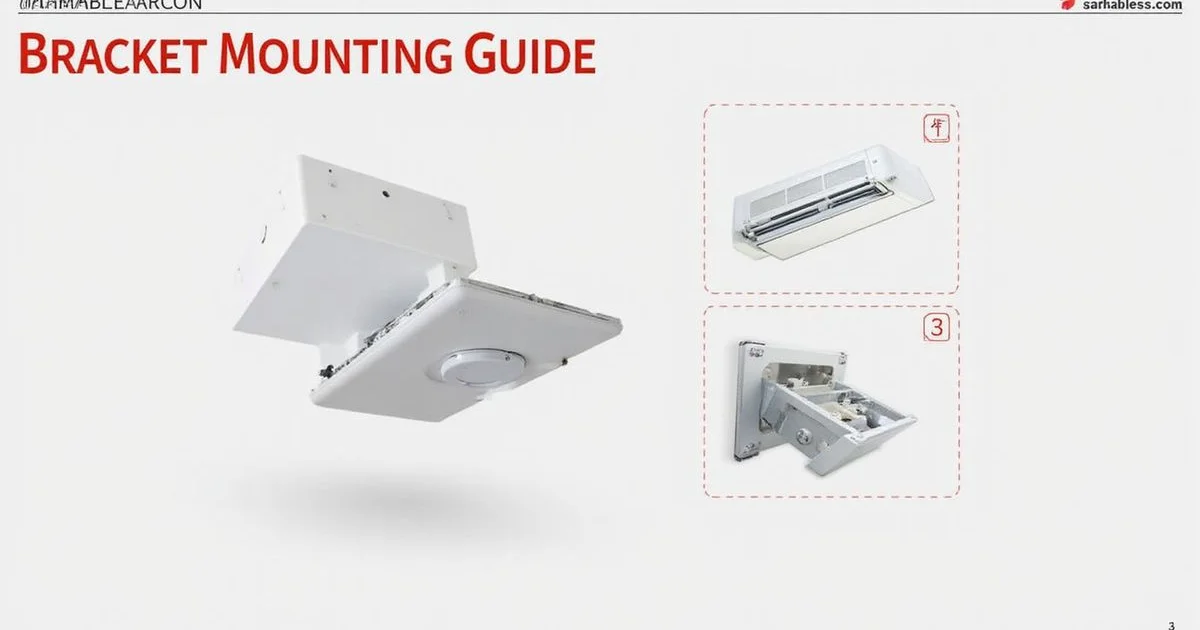
Insulation and Your Aircon Bracket
The metal support holding your outdoor compressor creates unique thermal challenges. Our teams pay strict attention to how the copper exits the machine and rests on the brackets. Vibration from the heavy motor easily rubs thin foam away against sharp metal edges.
Pay close attention to these specific vulnerability points:
- The exact spot where lines leave the condenser valves
- Sharp corners where thick tubes struggle to bend smoothly
- Entry holes drilled through external concrete walls
- Tight connections hiding directly behind the indoor fan coil
The Housing and Development Board regulates exterior fixtures strictly. We strictly deploy BCA Trained Installers to handle external structural supports. Safety regulations mandate using Grade 303 stainless steel to safely hold heavy multi-split compressors.
Maintenance Tips
Preventative care keeps your cooling infrastructure intact and your monthly expenses predictable. Our servicing contracts always include a thorough visual check of the entire line. Catching a small tear early prevents expensive structural water damage down the road.
Follow these verifiable industry best practices:
- Check the foam condition annually during your standard aircon servicing visit
- Wrap outdoor exposed sections in UV-resistant protective tape to block solar degradation
- Swap out cracked segments immediately instead of waiting for the whole line to fail
- Verify the copper piping is completely free of corrosion before applying fresh foam
Proper coverage stands as a highly profitable, low-cost maintenance task. We view intact sleeves as the absolute easiest way to secure peak performance. The extreme temperature clash between freezing copper and tropical air forgives no mistakes. A tiny gap wastes costly electricity and invites destructive fungal growth into your living space.
Understanding Aircon Insulation: Why It Matters & Signs of Damage empowers you to protect your property effectively. Take ten minutes today to visually inspect your outdoor compressor lines. Call a certified technician to seal the system immediately if you spot bare metal or dripping water.
Billy Aircon Team
Technical Writers
The Billy Aircon editorial team draws from our 26-strong workforce of experienced aircon technicians.