How Often Should You Service Your Aircon in Singapore?
Wondering how often to service your aircon in Singapore? This guide covers recommended servicing frequency based on usage, unit type, and Singapore's tropical climate conditions.
Philips
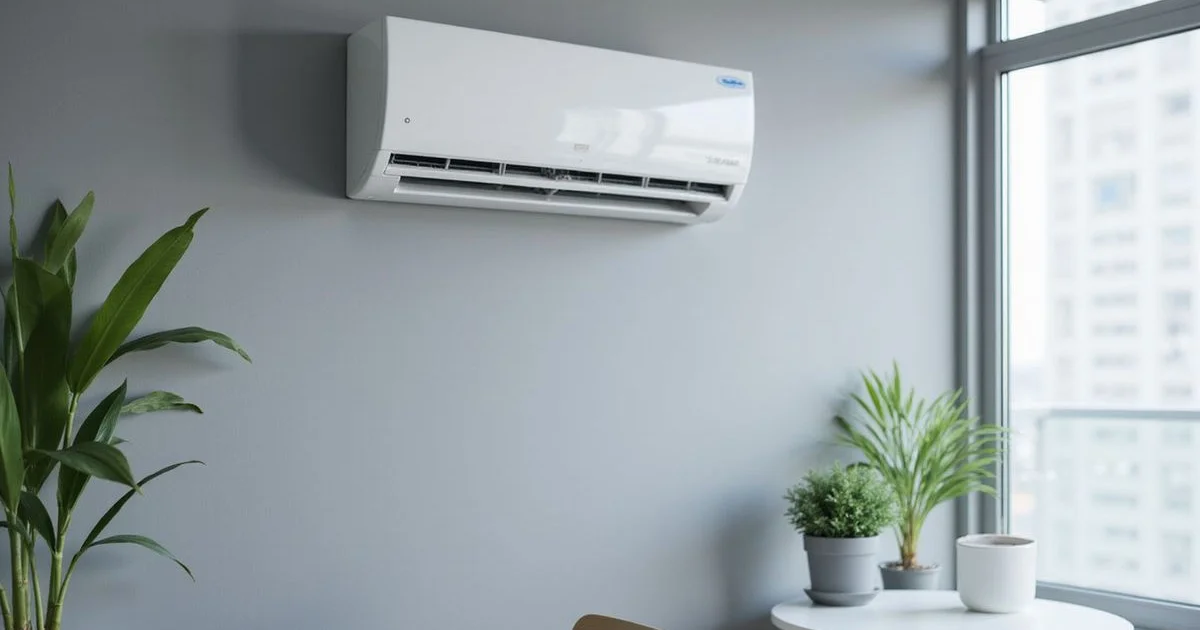
You know how fast electricity bills climb during those relentless heatwaves, prompting many to ask how often should you service your aircon in Singapore. We see this exact scenario play out constantly across local flats and commercial spaces.
Air conditioning easily accounts for up to 60% of local household energy consumption, making aircon servicing in Singapore essential for every homeowner. A dirty filter directly impacts your monthly budget.
Our team answers questions about maintenance frequencies every single day.
Founded in 2003 with just five people, Billy Aircon has grown to a team of 26 dedicated to keeping Singapore cool. Let us review the 2026 National Environment Agency guidelines and outline a clear plan to prevent expensive breakdowns.
The Short Answer: How Often Should You Service Your Aircon in Singapore?
We align our baseline recommendation of three months directly with the official guidelines published by the National Environment Agency. Four times a year works perfectly for standard homes running their units for 6 to 8 hours daily. This schedule prevents the fan motor from overworking and burning out prematurely.
Our technicians find that keeping a modern R32 system clean avoids the typical 10% to 15% efficiency drop caused by dust buildup. Regular attention stops small problems from becoming major repairs. The latest energy regulations make this maintenance even more critical for keeping your carbon footprint low.
Servicing Frequency Based on Usage
We base our exact recommendations on your daily runtime to ensure you only pay for necessary maintenance. Different households put completely different levels of strain on their cooling systems. A commercial office requires a vastly different approach compared to a rarely used guest room.
Heavy Use (12+ hours daily)
Our inspections routinely show that constant operation severely stresses the internal components. Service these units every two months to maintain peak performance. People working from home or households with young children usually fall into this high-usage category.
We strongly advise this frequent schedule because massive amounts of airborne dust pass through the system daily. Advanced purification features like the Plasma Quad Plus or Titanium Apatite filters clog incredibly fast under these conditions. These specific environments face a unique set of challenges:
- Our data shows that constant air circulation chokes filters twice as fast.
- Pet hair rapidly builds up on the evaporator coils.
- Continuous operation severely stresses the fan motor.
Standard Use (6-8 hours daily)
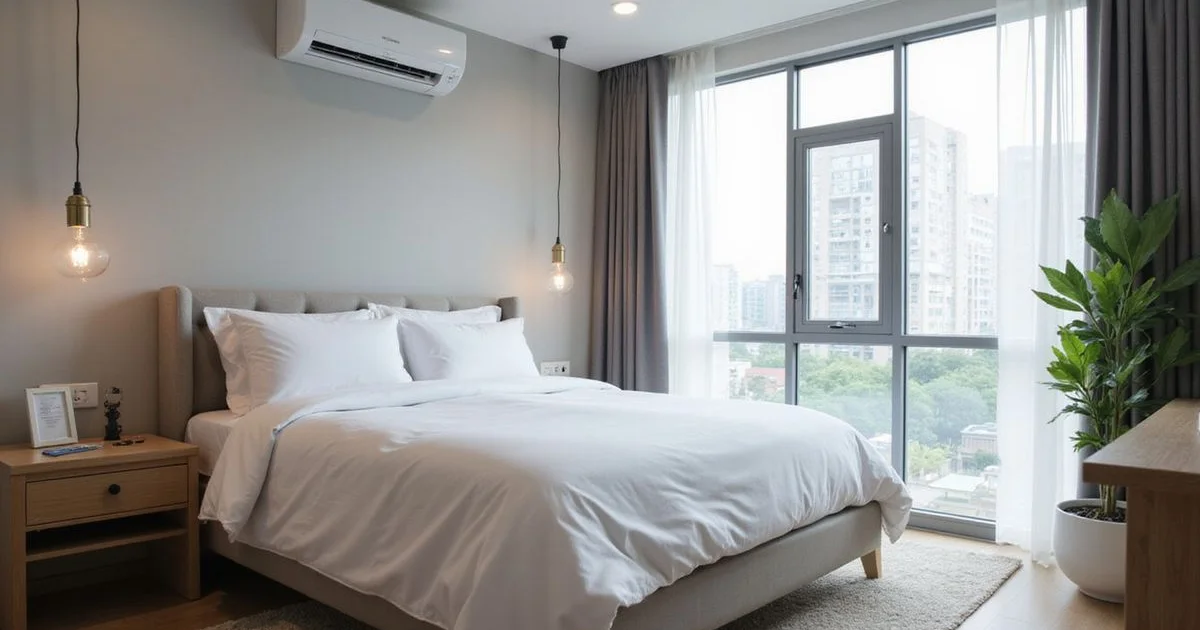
Our team finds that a three-month interval covers the vast majority of local flats and condominiums. Most families only run their primary units through the night while sleeping. This moderate usage still pulls in enough airborne debris to restrict airflow eventually.
We use this quarterly check to catch minor blockages before they turn into serious water leaks. The average HDB master bedroom needs a steady maintenance rhythm to keep the cooling consistent. Skipping just one cycle often leads to a noticeable drop in cold air output.
Light Use (4 hours or less daily)
Our advice is to never skip maintenance entirely, even for rarely used systems in spare bedrooms. Schedule a professional visit every four to six months for these specific units. Stagnant water sitting in an unused drain pan quickly becomes a breeding ground for Aedes mosquitoes.
We handle plenty of isolated cases where neglecting a spare room creates a massive insect issue. Regular flushing keeps the drainage pipes clear and protects your home from pests. A quick inspection also prevents the internal parts from seizing up due to inactivity.
Servicing Frequency by Unit Type
Our technicians adjust their approach based on the specific hardware you have installed. The physical design of your system dictates exactly how quickly dirt builds up inside. Here is a quick breakdown of what to expect for different configurations.
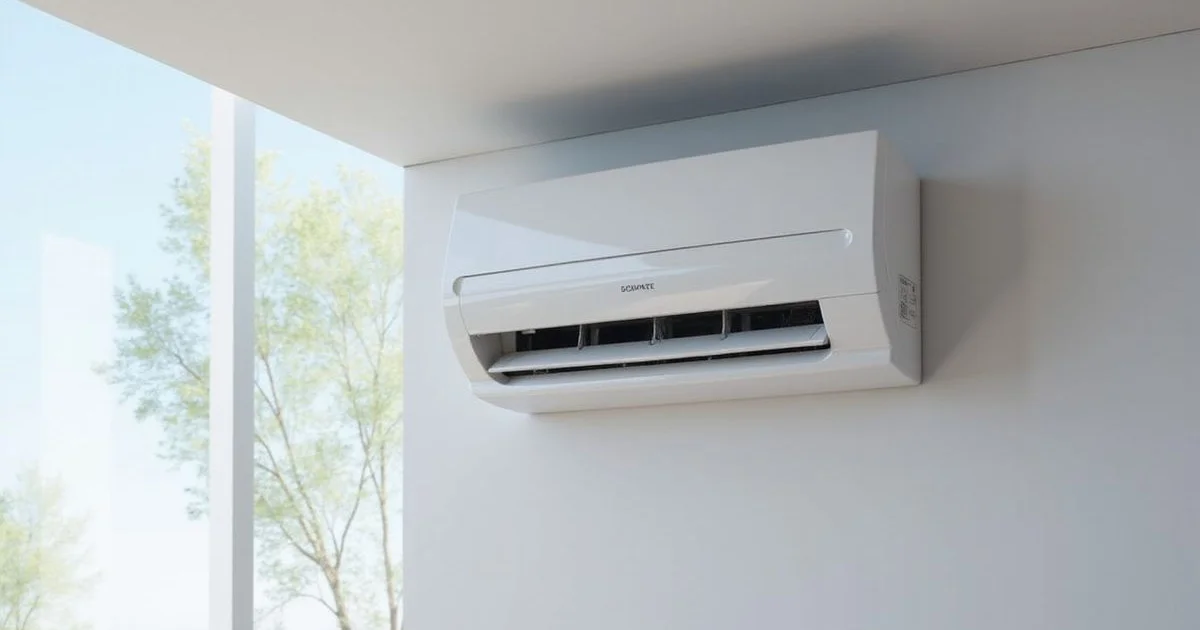
Wall-Mounted Split Units
We find these are the easiest and most common systems to maintain in residential properties across the island. Plan for maintenance every three months for standard models like the Mitsubishi Starmex or Daikin iSmileEco. A typical servicing appointment takes a trained expert about 20 to 30 minutes per indoor unit.
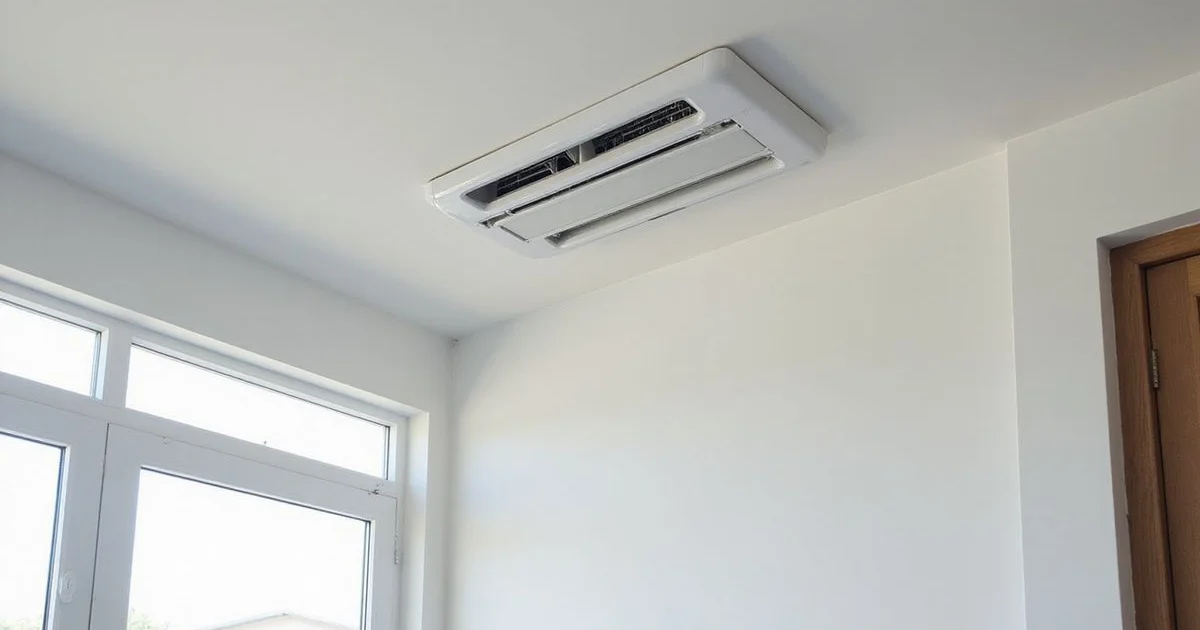
Ceiling Cassette Units
Our crews see these larger units processing significantly more air than standard wall mounts. Schedule visits every three months, or bump it up to every two months for dusty commercial office spaces. Their high-capacity MERV filters trap debris very quickly in open-plan living areas.
Ducted Systems
We know that restricted airflow puts immense strain on a central ducted setup. Book a professional check every two to three months to protect the main compressor. Dirty filters force the central motor to work up to 30% harder to push cold air through the long ventilation paths.
| System Type | Typical Frequency | Average Market Rate (Per Unit) |
|---|---|---|
| Wall-Mounted Split | 3 Months | $30 - $50 |
| Ceiling Cassette | 2 - 3 Months | $120 - $150 |
| Ducted / Central | 2 - 3 Months | Custom Quoted |
What Happens During a Standard Service
Our comprehensive evaluation goes far beyond just washing the plastic filters in your sink. A proper routine check actively keeps your energy consumption low. Every professional aircon servicing covers these highly vital steps to ensure peak performance:
- Filter cleaning: We remove accumulated dust to restore proper airflow.
- Evaporator coil brushing: This step clears surface dirt from the delicate aluminium fins.
- Drainage pipe vacuuming: A strong vacuum flushes out slime to prevent sudden water leaks.
- Drain pan inspection: Our experts check for hairline cracks and proper alignment.
- Refrigerant pressure check: A manifold gauge ensures the gas levels meet manufacturer specifications.
- Capacitor testing: A multimeter measures the electrical components that often fail under extreme heat stress.
- Thermostat accuracy test: We confirm your remote readings exactly match the actual room temperature.
- Performance test: The final check measures the cooling output to guarantee maximum efficiency.
- System documentation: Detailed service records are kept for your warranty protection.
What Happens If You Skip Servicing
We replace burned-out components every single week because owners ignored the early warning signs. Neglecting your maintenance schedule always leads to incredibly expensive consequences down the line. A choked system forces the compressor to work 20% harder, adding $30 to $80 to your monthly electricity bill.
After 4 to 6 Months Without Servicing
- Our data shows that cooling efficiency drops by 10% to 20% during this initial stage of neglect.
- Filters become visibly clogged and severely restrict the cold air output.
- Your electricity consumption increases noticeably as the fan motor struggles to circulate air.
- We often receive complaints about a mild musty smell circulating through the bedroom at this point.
- The internal fan barrel starts accumulating a sticky layer of dust.
- This early buildup creates the perfect environment for airborne allergens to thrive.
After 6 to 12 Months
- Our field teams frequently see the drainage pipe clog entirely during this timeframe.
- The risk of water leaking inside your home skyrockets as jelly-like slime blocks the exit point.
- Evaporator coils accumulate enough thick grime to completely block the heat transfer process.
- We also treat stubborn Condensation issues that typically appear on the swinging directional flaps.
- Mould and bacteria begin to thrive in the dark, damp interior of the plastic casing.
- The system actively shows signs of needing repair by blowing warm air or making loud rattling noises.
Beyond 12 Months
- Our technicians find that standard brushing is completely ineffective at this advanced stage of neglect.
- A deep chemical wash becomes mandatory to salvage the equipment.
- Solid sheets of ice often form directly over the dirty coils due to severely restricted airflow.
- We warn customers that compressor strain dramatically shortens the lifespan of the entire condenser unit.
- The risk of dangerous gas leaks rises as the internal copper pipes corrode under the trapped moisture.
- Replacing a dead compressor in 2026 will easily cost you anywhere from $600 to $1,200.
The Annual Chemical Wash
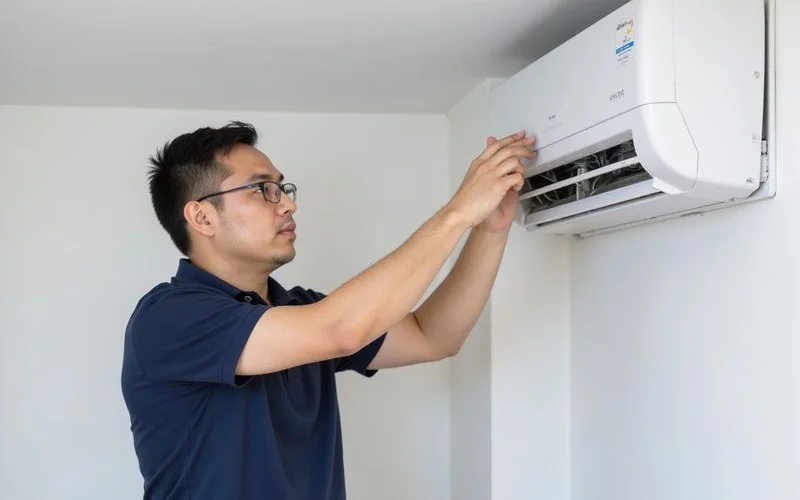
Our technicians strongly suggest booking a thorough chemical wash once every year to dissolve stubborn biofilm. Surface brushing only removes a tiny fraction of the dirt hidden deep inside the unit. This intensive process uses specialised alkaline-based solutions to flush out the evaporator coils that a normal vacuum cannot reach.
We strictly avoid cheap acidic cleaners because they permanently damage the delicate aluminium fins.
A standard chemical wash is priced between $80 and $150 per unit. A complete overhaul involving full disassembly costs $150 to $250.
Our advice is to book this deep clean before the hottest months from April to June to ensure peak capacity. Proper chemical cleaning restores the unit to its original factory efficiency rating. To understand the exact technical differences, read the full servicing vs chemical wash comparison.
Singapore-Specific Factors
Our local climate presents a uniquely harsh environment for electronic cooling systems. Technicians in temperate countries simply never see the immense challenges that happen here daily. Several critical environmental factors make strict maintenance absolutely non-negotiable:
- We manage systems that run 365 days a year without the break they would get during a winter season.
- The average local humidity sits at 85%, creating excess condensation and rapid mould growth inside the casing.
- Construction dust and traffic pollution clog fine mesh filters much faster than in rural environments.
- Our repair logs show geckos frequently crawl into the warm outdoor condenser units and short out the main Printed Circuit Board.
- Replacing a fried PCB easily costs between $350 and $900.
- These unique threats require a proactive approach to equipment care.
Service Contracts
We offer annual service contracts to give homeowners priority scheduling and heavily discounted rates. Managing maintenance for multiple rooms can get confusing and expensive very quickly. A standard HDB System 4 setup requires 16 individual services across a single year if done quarterly.
- Our contracts reduce your per-service cost by 20% to 30% compared to ad-hoc bookings.
- This arrangement eliminates the hassle of remembering to schedule appointments.
- Priority assistance is fully secured during peak hot seasons.
Our Bottom Line
We urge you not to wait for physical symptoms to appear before taking action. The math clearly supports sticking to a strict three-month maintenance schedule.
By the time you notice your aircon is not cold or it starts leaking water, the internal damage has been accumulating for a very long time.
Our preventive care approach guarantees lower electricity bills and completely prevents emergency repair fees. The team is ready to handle the hard work for you. If you are still wondering how often should you service your aircon in Singapore, book your regular aircon servicing with Billy Aircon to keep your system running beautifully through our endless summer.
Philips
Chief Technical Leader
With 25 years of hands-on experience in air conditioning systems, Philips founded Billy Aircon in 2003.